
How Golf Simulators Work: Understanding the Technology Behind the Game
The Basics of How Golf Simulators Work
Have you ever wondered how golf simulators work? Golf simulators have revolutionized the way golfers practice and improve their game, offering a realistic and immersive experience without having to step foot on a traditional course. Let's delve into the fascinating technology behind these innovative systems and understand how they capture your swing with remarkable accuracy.
What Are Golf Simulators?
Golf simulators are sophisticated systems that replicate the experience of playing golf in a virtual environment. These setups utilize advanced sensor technology and data analysis methods to accurately capture and interpret swings, providing valuable data for improving performance. With the ability to simulate various courses and environmental conditions, golf simulators offer an unparalleled opportunity for golf enthusiasts to hone their skills regardless of weather or time constraints.
How Golf Simulators Capture Your Swing
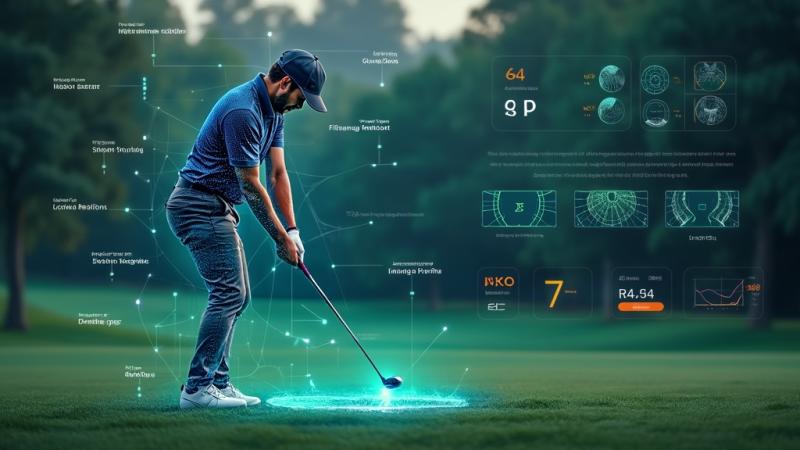
The magic of golf simulators lies in their ability to capture every nuance of your swing with precision. This is made possible through the integration of various technologies, including sensors, cameras, and tracking devices. These components work together seamlessly to provide a comprehensive understanding of launch monitor technology, swing mechanics, ball flight, launch, and club fitting parameters.
The role of sensors and cameras
Sensors play a pivotal role in capturing essential data points such as club speed, angle, path, and impact location. Meanwhile, high-speed cameras are employed to track club movements, swing angles, and ball trajectories with remarkable accuracy. This combination of sensor data and visual information forms the foundation for creating a lifelike simulation of your golfing experience.
Understanding data collection
The research on virtual golf simulation systems focuses on various sensor technologies such as radar sensor technology, infrared detection technology, and high-speed camera acquisition technology. These cutting-edge technologies enable golf simulators to collect high-quality data on swing metrics with 85-90% accuracy. This includes crucial parameters such as ball speed, launch angle, launch direction, spin rate, carry distance, and club head speed.
With this comprehensive understanding of how golf simulators operate at a fundamental level established let's explore further into the key components that make up these incredible systems.
Key Components of Golf Simulators
As we continue our exploration into the fascinating world of golf simulators, it's essential to understand the key components that make these systems so advanced and effective. From launch monitors to sophisticated software, each element plays a crucial role in creating an immersive and accurate virtual golfing experience.
Launch Monitors: The Eyes of the Simulator
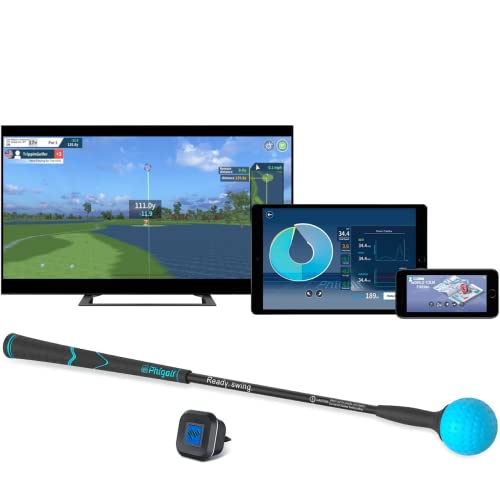
Launch monitors serve as the eyes of a golf simulator, capturing critical data about ball flight and spin with remarkable precision. These devices utilize advanced sensor technology to track various parameters such as ball speed, launch angle, spin rate, and direction. One interesting fact is that there are patented technologies specifically designed for efficiently measuring flight parameter information for a golf ball. This level of detail allows golf simulators to recreate the exact trajectory and behavior of the ball as it would on a real course.
The Software: The Brain Behind the Operation
Behind every successful golf simulator is powerful software that serves as the brain behind its operation. This sophisticated software analyzes the data collected by launch monitors and translates it into a simulated golf course experience. By leveraging complex algorithms and mathematical models, the software can accurately replicate various environmental conditions, including wind speed, terrain elevation, and weather effects. This level of detail ensures that players experience a realistic and challenging game every time they step into their virtual world.
The Setup: Creating Your Own Golf Simulator Space
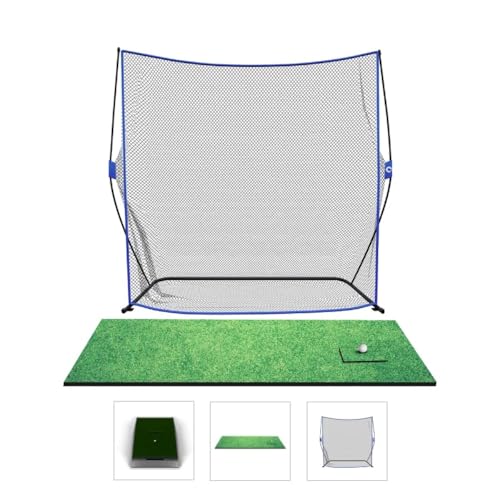
Creating your own golf simulator space is an exciting endeavor that requires careful consideration of several key elements. To get started, you'll need essential components such as a high-quality hitting mat, net or screen for ball projection, projector or monitor for displaying the simulation environment, and reliable launch monitor technology. For those looking to set up a budget-friendly space, there are innovative tips available to help you achieve an immersive experience without breaking the bank.
-
Consider using impact screens made from durable materials like polyester or nylon.
-
Opt for affordable projectors with high lumens output for clear visualization.
-
Explore DIY options for building hitting cages or nets using cost-effective materials without compromising safety.
By carefully selecting your setup components and considering budget-friendly alternatives, you can create a captivating golf simulator space right in your own home.
The Science Behind the Swing
Have you ever wondered how golf simulators measure your swing with such precision? It's fascinating to explore the technology that captures every aspect of your swing, from club speed and angle to the intricate physics of ball flight. Let's delve into the science behind these remarkable systems and understand how they provide valuable insights into a golfer's performance.
How Golf Simulators Measure Your Swing
When it comes to measuring your swing, golf simulators focus on key parameters such as club speed and angle. These metrics are crucial in understanding the dynamics of your swing and can significantly impact the resulting ball flight. By analyzing data points such as distance, spin, launch angle, and speed, golf simulators offer a comprehensive analysis of each shot, providing valuable feedback for improving your game.
The importance of club speed cannot be overstated when it comes to understanding your swing mechanics. A higher club speed can lead to greater distance but also requires precise timing and coordination. On the other hand, angle plays a critical role in determining the trajectory and accuracy of your shot. Understanding these two fundamental aspects of your swing is essential for making informed adjustments and enhancements to your technique.
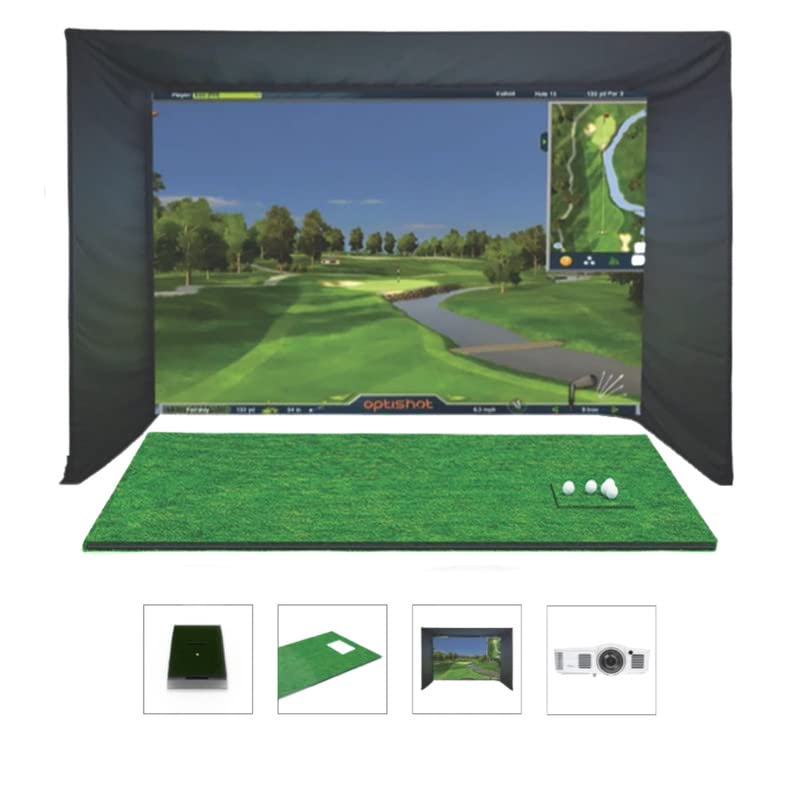
OptiShot Complete Golf Simulator Kit
Bring the golf course to your living room with the OptiShot Complete Golf Simulator Kit
Product information
$4,000.00
Product Review Score
4.49 out of 5 stars
42 reviewsProduct links
The Physics of Golf: Spin, Speed, and Trajectory
Golf is not just about hitting a ball; it's about understanding the intricate physics behind every shot. When it comes to calculating ball flight, golf simulators utilize advanced algorithms to analyze spin rate, speed, and trajectory. These factors directly influence how the ball travels through the air and interacts with various environmental conditions.
Spin rate is a particularly important factor in the accuracy of golf simulator technology. It determines how much backspin or sidespin is imparted on the ball upon impact, affecting its stability and direction during flight. By accurately measuring spin rate along with launch angle and speed, golf simulators provide detailed insights into how these elements combine to produce specific shot outcomes.
The research on virtual golf simulation systems has focused extensively on data sensor technology and graphic simulation technology. Data sensors play a pivotal role in collecting accurate golf ball movement data or human hitting posture data in real time. This level of precision enables golfers to gain a deeper understanding of their swings while honing their skills within a simulated environment that closely mirrors real-world conditions.
As we unravel the intricacies of golf simulator technology, it becomes evident that these systems are not merely recreational tools but invaluable resources for enhancing one's understanding of the sport.
Bringing It All Together: How Golf Simulators Create a Realistic Experience
Have you ever wondered how golf simulators manage to recreate the authentic experience of playing golf without setting foot on a traditional course? The technology behind these systems is truly remarkable, and it's fascinating to explore how they bring the thrill of the game into a virtual environment. Let's delve deeper into the process of transforming raw data into an immersive golfing experience and understand how simulator feedback can elevate your game to new heights.
From Data to Virtual Reality: The Simulation Process
Golf simulators excel at creating immersive golf environments by seamlessly integrating cutting-edge sensor technology with advanced software algorithms. These systems can easily compete against indoor and outdoor golf courses in terms of accuracy, sensory replication, and player perspective. In fact, most golf simulators are backed by rigorously tested and reliable technology, designed to help players improve their skills at all levels.
The simulation process begins with capturing essential swing and distance metrics with remarkable accuracy, often reaching 85-90%. This level of precision allows golf simulators to analyze crucial parameters such as ball speed, launch angle, spin rate, carry distance, and club head speed. As a result, the gameplay data in QED simulators is often only 1% varied from the actual flight of the ball when measured in person.
Creating immersive golf environments
Real-life conditions vs. virtual golfing experience: Golf simulators contribute to creating an immersive and realistic indoor golf experience by accurately simulating the flight path, trajectory, and behavior of the ball.
The advanced simulator software plays a pivotal role in recreating an accurate virtual putt through motion sensing technology. By analyzing data collected from launch monitors and other sensors, this software ensures that every aspect of your swing is faithfully replicated within the virtual environment.
Enhancing Your Game with Simulator Feedback
One of the most valuable aspects of using a golf simulator is the immediate feedback it provides to players. This feedback not only helps improve your skills but also enhances your overall understanding of swing mechanics and shot outcomes. Whether you're a beginner looking to refine your technique or an experienced golfer aiming for precision, simulator feedback offers invaluable insights that can elevate your game.
By leveraging complex algorithms and mathematical models, simulator software translates raw swing data into actionable feedback that highlights areas for improvement. This personalized analysis encompasses critical elements such as club speed, angle, path, impact location, spin rate, launch direction, ball speed, carry distance – providing comprehensive insights into each shot's performance.
In addition to individual shot analysis, golf simulators offer holistic performance tracking over time. This feature enables players to identify trends in their gameplay while monitoring progress across various skill areas. With consistent access to detailed performance metrics and visual representations of their swings' nuances over time – players can make informed adjustments tailored to their unique strengths and weaknesses.
Why Golf Simulators Are More Than Just a Game
Have you ever stopped to consider the educational value of golf simulators? Beyond being a recreational activity, golf simulators offer a unique opportunity to delve into the science and math behind the game, providing valuable insights for players of all skill levels.
The Educational Value of Golf Simulators
Golf simulators serve as powerful educational tools, offering an immersive platform for learning the intricate science and math involved in the sport. Through detailed data analysis and visualization, players can gain a deeper understanding of the physics behind their swings, ball flight dynamics, and environmental influences. This hands-on approach to learning fosters an appreciation for the technical aspects of golf while honing essential skills such as strategy development and shot selection.
Insights from interviews: According to experts, golf simulator data provides valuable insights into a golfer's swing and performance. This data not only enhances gameplay but also serves as an educational resource for understanding the nuances of golf.
Furthermore, golf simulators present an engaging way to explore mathematical concepts such as angles, trajectories, velocity, and spin rates. By interacting with real-time feedback and visual representations of their shots, players can apply mathematical principles to refine their techniques and optimize their performance on virtual courses.
Beyond the Game: How Simulators Are Used in Professional Training
In addition to serving as recreational tools, golf simulators have become integral training resources for professional golfers and coaches alike. These advanced systems offer a range of training tools designed to enhance skill development and performance assessment at an elite level.
Professional training tools integrated into golf simulators provide athletes with comprehensive insights into their swings' mechanics and shot outcomes. Coaches leverage this data to tailor training programs that address specific areas for improvement while optimizing overall performance. From analyzing launch monitor data to refining club fitting parameters, golf simulators play a pivotal role in shaping professional training strategies.
Home-based golf simulators also provide aspiring players with detailed feedback to help improve their performance. The tracking technology, cameras, and sensors used in these systems offer an accurate overview of a player's game – from swing dynamics to ball flight characteristics. This level of precision enables individuals to identify areas for improvement while fine-tuning their skills within a simulated environment that closely mirrors real-world conditions.
The Future of Golf Simulators
As we look ahead, it's clear that golf simulators will continue to evolve by integrating cutting-edge innovations that transform how golfers practice and improve their game. With advancements in sensor technology, data analysis methods, and software capabilities on the horizon, these systems are poised to revolutionize the way players engage with the sport.
Insights from interviews: Experts predict that future innovations in golf simulator technology will provide valuable data and insights that reshape how golfers practice and improve their game.
Innovations in simulator technology are expected to enhance user experiences through improved accuracy in swing measurement metrics and lifelike simulation environments. Furthermore, advancements in virtual reality integration may offer players an even more immersive experience by replicating authentic course conditions with unprecedented realism.
The future holds exciting prospects for golf simulator enthusiasts as these systems continue to push boundaries in delivering unparalleled educational value alongside enhanced training capabilities for both amateur enthusiasts and professional athletes alike.