Did you know that controlling spin is the secret weapon of many professional golfers? Spin is what makes the ball dance on the green, escape bunkers with ease, and shape shots around obstacles. But for many amateur golfers, harnessing the power of spin remains a mystery. In this ultimate guide to golf spin control, we'll demystify the concept of spin and provide you with actionable tips and techniques to help you master this essential skill. From understanding the basics of spin to choosing the right equipment and practicing specific drills, you'll learn everything you need to know to take your golf game to the next level. Get ready to impress your playing partners and attack the pin with confidence - it's time to unleash the power of spin control!
What is Spin in Golf and Why Does It Matter?
Spin is a crucial concept in golf that refers to the rotation of the ball as it flies through the air. When you hit a golf ball, the clubface imparts a rotational force that causes the ball to spin. The amount and direction of spin can greatly affect the ball's trajectory, distance, and behavior when it lands.
Here are the main reasons why spin matters in golf:
-
Control: Spin allows you to control the ball's flight path and landing. With the right amount of backspin, you can make the ball stop quickly on the green or even spin it back towards the hole.
-
Trajectory: Backspin helps the ball climb into the air, while sidespin can cause the ball to curve left or right. Understanding spin can help you shape your shots and navigate obstacles on the course.
-
Distance: Too much or too little spin can impact how far the ball travels. Excessive spin can cause the ball to balloon up and lose distance, while too little spin can result in a low, running shot that's hard to control.
| Spin Type | Effect on Ball Flight |
|---|---|
| Backspin | Makes the ball climb and stop quickly |
| Sidespin | Curves the ball left or right |
| Overspin | Lowers trajectory and increases roll |
Table: Different types of spin and how they affect ball flight.
To see spin in action, check out this video by golf coach Chris Ryan:
Golf Spin Control: How to Control Your Ball Flight
By understanding and mastering spin control, you'll have a powerful tool for shaping shots, optimizing distance, and conquering challenging course conditions. Keep reading to learn more about how to generate and control spin like a pro!
How Do I Put Backspin on My Golf Shots?
Backspin is the holy grail of golf shots. It's what makes the ball stop dead on the green or even spin back towards the hole. But for many golfers, generating backspin consistently can be a challenge. Here are some key tips to help you put backspin on your shots:
-
Use the right club: Wedges, especially lob wedges and sand wedges, are designed to generate the most backspin. Their high loft and grooves help grip the ball and impart spin.
-
Set up for success: Play the ball slightly back in your stance and lean the shaft forward. This promotes a downward angle of attack, which is essential for creating backspin.
-
Make crisp contact: Striking the ball first, then the turf, is crucial for generating backspin. Focus on making a descending blow and pinching the ball off the turf.
-
Accelerate through impact: A fast clubhead speed is key to generating spin. Accelerate smoothly through the ball and finish with a high follow-through.
-
Check your grooves: Clean, sharp grooves on your clubface help grip the ball and create more spin. Make sure your grooves are in good condition and clean them regularly.
| Backspin Checklist | Description |
|---|---|
| Right club | Use a high-lofted wedge |
| Ball position | Slightly back in stance |
| Shaft lean | Forward towards the target |
| Contact | Ball first, then turf |
| Acceleration | Fast and smooth through impact |
Table: Key elements for generating backspin on golf shots.
For a visual demonstration, watch this video by golf instructor Chris Ryan:
How to Spin Your Wedges - Easy Technique for More Backspin!
Remember, generating backspin takes practice and patience. Focus on the fundamentals, make crisp contact, and keep working on your technique. With time and dedication, you'll be spinning the ball back like a pro!
What Golf Clubs Are Best for Generating Spin?
Choosing the right golf clubs is essential for generating the spin you need to control your shots. While all clubs can impart some spin, certain types are designed specifically to maximize spin. Here are the best clubs for generating spin:
-
Wedges: Wedges, particularly sand wedges and lob wedges, are the spin kings of your golf bag. Their high loft angles (54-64 degrees) and deep, sharp grooves create the most friction between the clubface and the ball, resulting in maximum spin.
-
Short irons: As you move from the wedges to the short irons (9-iron, 8-iron, 7-iron), the amount of spin generated decreases slightly but remains significant. These clubs have ample loft and grooves to create backspin for approach shots.
-
Mid irons: Mid irons, such as the 6-iron and 5-iron, produce moderate spin rates. While not as spinny as wedges or short irons, they can still generate enough backspin to hold the green on longer approach shots.
-
Hybrids and fairway woods: These clubs are designed for distance and forgiveness rather than spin. Their shallower clubface and wider sole promote a higher launch with less spin, making them ideal for shots from the fairway or rough.
| Club Type | Spin Potential |
|---|---|
| Lob Wedge | Highest |
| Sand Wedge | Very High |
| Short Irons | High |
| Mid Irons | Moderate |
| Hybrids & Fairway Woods | Low |
Table: Spin potential of different golf club types.
To see the difference in spin between various clubs, watch this informative video by TXG Golf:
Golf Club Spin Rates: What You Need to Know
When selecting clubs for a shot that requires spin control, consider the distance you need to hit and the spin you want to generate. Wedges and short irons are your go-to clubs for shots around the green and short approach shots, while mid irons can be used for longer approaches where moderate spin is needed.
Remember, generating spin also depends on factors like your swing technique, grooves conditions, and ball choice. Pair the right club with proper technique and a suitable ball, and you'll be well on your way to mastering spin control!
4.79 out of 5 stars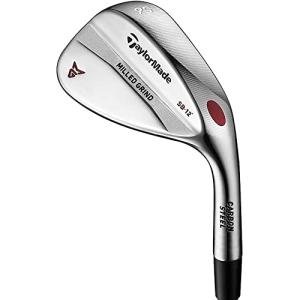
TaylorMade MG1 Chrome Wedge, 60° Loft, Stiff Flex
Enhance your short-game performance with the TaylorMade MG1 Chrome Wedge in 60° Loft, Stiff Flex
Product information
Product Review Score
Product links
How Does Ball Choice Affect Spin in Golf?
Selecting the right golf ball is just as important as choosing the right clubs when it comes to spin control. Golf balls are designed with different materials, constructions, and surface features that greatly influence the amount of spin they generate. Here's how ball choice affects spin in golf:
-
Cover material: Golf ball covers are typically made from either surlyn or urethane. Surlyn-covered balls are more durable and produce less spin, while urethane-covered balls are softer and generate more spin, especially with wedges and short irons.
-
Compression: Ball compression refers to how much the ball deforms upon impact. Low-compression balls are softer and compress more, resulting in less spin. High-compression balls are firmer and compress less, generating more spin.
-
Dimple pattern: The dimples on a golf ball affect its aerodynamics and spin characteristics. Balls with shallower dimples tend to produce more spin, while balls with deeper dimples generate less spin.
-
Price point: Generally, premium golf balls (like Pro V1, TP5, and Chrome Soft) are designed to optimize spin control, particularly around the greens. Budget balls may not offer the same level of spin performance.
Here's a table comparing spin characteristics of different ball types:
| Ball Type | Cover Material | Compression | Spin Performance |
|---|---|---|---|
| Tour-level | Urethane | High | High |
| Mid-range | Urethane or Surlyn | Medium | Moderate |
| Distance | Surlyn | Low | Low |
Table: Spin characteristics of different golf ball types.
To see how ball choice affects spin, check out this video by Rick Shiels Golf:
Golf Ball Spin Test - Which Golf Ball Spins the Most?
When selecting a golf ball for optimal spin control, consider your skill level, swing speed, and desired performance. If you prioritize spin control around the greens, opt for a premium, urethane-covered ball. If you're looking for more distance and less spin off the tee, a lower-compression, surlyn-covered ball may be a better choice.
Remember, finding the right ball for your game may take some experimentation. Try out different brands and models to see which one provides the best combination of spin, distance, and feel for your swing.
Mastering Golf Spin Control: Your Path to Better Shots
In this comprehensive guide, we've explored the fascinating world of golf spin control. We've covered the fundamentals of spin, including what it is and why it matters in golf. You've learned how to generate backspin on your shots using proper technique and club selection. We've also discussed how different clubs and balls affect spin rates.
Armed with this knowledge, you're well on your way to mastering spin control and taking your golf game to new heights. Remember, the key to success is a combination of the right equipment, proper technique, and plenty of practice.
Here are some final tips to help you on your journey:
- Focus on the fundamentals: grip, stance, and ball position
- Make crisp, clean contact with the ball
- Experiment with different clubs and balls to find the best fit for your game
- Practice regularly with purpose and intention
- Analyze your shots and make adjustments as needed
As you continue to work on your spin control, you'll start to see improvements in your shot shaping, distance control, and overall scoring. You'll be able to attack pins with confidence, escape tricky lies with ease, and impress your playing partners with your newfound skills.
So, get out there and start spinning the ball like a pro! With dedication and practice, you'll unlock the full potential of your golf game and experience the pure joy of a well-struck shot. Happy golfing!
What Are Some Drills to Practice Spin Control?
Improving your spin control requires a combination of proper technique and targeted practice. Here are some effective drills to help you master the art of spin control:
-
Towel Drill: Place a small towel or headcover a few inches behind the ball. Practice hitting shots without touching the towel. This drill encourages a downward angle of attack and crisp contact, which are essential for generating spin.
-
Coin Drill: Place a coin on the green and practice hitting wedge shots that land past the coin but spin back to it. This drill helps you focus on generating backspin and controlling distance.
-
Trajectory Control Drill: Set up several targets at different distances and practice hitting low, medium, and high shots to each target. This drill helps you learn to control trajectory and spin based on the shot you need.
-
Partial Swing Drill: Practice hitting wedge shots with partial swings (1/4, 1/2, and 3/4 swings). This drill helps you develop a feel for controlling distance and spin without relying on full swings.
-
Spin and Stop Drill: Drop several balls from waist height onto a practice green and observe how they react. Then, try to replicate that spin and stop action with your wedge shots.
| Drill | Focus |
|---|---|
| Towel Drill | Crisp contact, downward angle of attack |
| Coin Drill | Backspin control, distance control |
| Trajectory Control Drill | Varying trajectory and spin |
| Partial Swing Drill | Distance and spin control with partial swings |
| Spin and Stop Drill | Replicating spin and stop action |
Table: Spin control drills and their primary focus areas.
For a visual demonstration of some of these drills, watch this video by Chris Ryan Golf:
3 Simple Drills to SPIN Your Wedges Like a Pro
Remember, the key to effective practice is focusing on quality over quantity. Perform these drills with purpose, paying close attention to your technique and the results of each shot. As you become more comfortable with these drills, you'll start to see improvements in your spin control on the course.
How Do I Control Spin Out of the Rough?
Hitting shots from the rough can be challenging, especially when it comes to controlling spin. The longer grass can interfere with clean contact and reduce spin rates. However, with the right techniques, you can still generate spin and control your shots from the rough. Here's how:
-
Club selection: When hitting from the rough, opt for a higher-lofted club than you would typically use from the fairway. The extra loft will help the ball escape the longer grass and generate more spin.
-
Setup adjustments: Play the ball slightly back in your stance and lean the shaft forward. This setup promotes a steeper angle of attack, helping the clubface cut through the grass and make cleaner contact with the ball.
-
Grip pressure: Maintain a firm grip pressure to prevent the clubface from twisting in the grass. A stable clubface is crucial for generating spin and controlling the shot's direction.
-
Accelerate through impact: Focus on accelerating the clubhead through impact. A faster clubhead speed will help the ball escape the rough and generate more spin.
-
Expect less spin: Even with proper technique, shots from the rough will generally have less spin than shots from the fairway. Adjust your expectations and plan accordingly, allowing for more roll-out on your approach shots.
| Rough Spin Control Tips |
|---|
| Use a higher-lofted club |
| Play the ball back in your stance |
| Lean the shaft forward |
| Maintain a firm grip pressure |
| Accelerate through impact |
| Expect less spin than from the fairway |
Table: Key tips for controlling spin out of the rough.
To see these techniques in action, watch this video by Golf Monthly:
How To Play From The Rough | Control Your Ball From The Rough
Remember, practice is key to mastering spin control from the rough. Spend time on the range hitting shots from longer grass and experimenting with different clubs and techniques. As you become more comfortable with these adjustments, you'll find it easier to control your shots and navigate challenging lies on the course.
4.9 out of 5 stars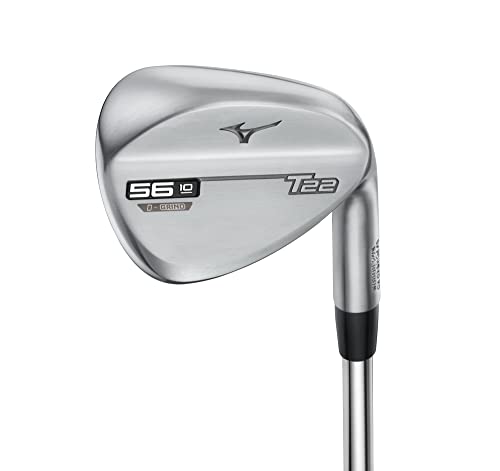
Mizuno T22 Wedge - 58° / 04 Bounce
Enhance your short game with the Mizuno T22 Wedge in 58° / 04 Bounce
Product information
Product Review Score
Product links
What Role Does Clubface Angle Play in Spin?
The angle of your clubface at impact is one of the most critical factors in determining the amount and direction of spin imparted on the golf ball. Understanding how clubface angle affects spin will help you control your shots and shape the ball with greater precision. Here's what you need to know:
-
Spin loft: Spin loft is the difference between your clubface angle and the angle of attack at impact. A greater spin loft (more open clubface relative to the angle of attack) will produce more backspin, while a smaller spin loft (more closed clubface) will generate less backspin.
-
Sidespin: The clubface angle also influences sidespin. An open clubface (pointing to the right of the target for right-handed golfers) will impart left-to-right sidespin, causing the ball to fade or slice. A closed clubface (pointing left of the target) will produce right-to-left sidespin, resulting in a draw or hook.
-
Controlling trajectory: By adjusting your clubface angle, you can control the trajectory of your shots. An open clubface will tend to launch the ball higher with more backspin, while a closed clubface will produce a lower launch with less backspin.
-
Impact location: The relationship between clubface angle and impact location on the clubface also affects spin. Shots hit low on the face with an open clubface will generate more backspin due to vertical gear effect, while shots hit high on the face with a closed clubface will produce less backspin.
| Clubface Angle | Spin Effect |
|---|---|
| Open | More backspin, left-to-right sidespin, higher trajectory |
| Closed | Less backspin, right-to-left sidespin, lower trajectory |
| Square | Neutral backspin and sidespin |
Table: Effects of different clubface angles on spin and ball flight.
To see how clubface angle affects spin, watch this informative video by TXG:
What Affects Spin? | TXG Explains
To control your clubface angle and spin, focus on maintaining a square clubface at impact. Practice with alignment sticks or impact tape to provide visual feedback on your clubface alignment. Remember, small changes in clubface angle can have a significant impact on spin and ball flight, so be precise and make adjustments as needed.
$49.95
4.85 out of 5 stars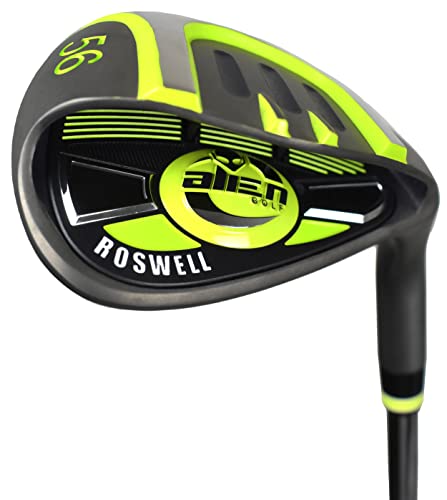
Alien Golf Roswell Wedge - 60° Loft
Enhance your short game with the Alien Golf Roswell Wedge in 60° Loft!
Product information
Product Review Score
Product links
How Can I Reduce Sidespin on My Shots?
Excessive sidespin can cause your shots to curve dramatically left or right, leading to a loss of accuracy and distance. If you're struggling with hooks or slices due to too much sidespin, here are some tips to help you reduce it:
-
Check your grip: An incorrect grip can cause the clubface to open or close at impact, leading to sidespin. Make sure your grip is neutral, with your top hand's thumb pointing down the center of the shaft. A neutral grip will help you square the clubface at impact.
-
Align your body: Improper alignment can cause you to swing across the ball, imparting sidespin. Align your feet, hips, and shoulders parallel to your target line to promote a straight swing path.
-
Swing from the inside: An outside-to-inside swing path can cause left-to-right sidespin (slice), while an inside-to-outside path can produce right-to-left sidespin (hook). Focus on swinging from the inside, with the clubhead approaching the ball from the right (for right-handed golfers).
-
Release the clubhead: A proper release of the clubhead through impact can help reduce sidespin. Allow your forearms to rotate naturally through the hitting zone, ensuring the clubface is square to the target at impact.
-
Practice with feedback: Use training aids like alignment sticks, impact tape, or a launch monitor to provide feedback on your clubface angle and swing path. These tools can help you identify and correct issues causing excess sidespin.
Cause of Sidespin Solution Incorrect grip Use a neutral grip with the top hand's thumb pointing down the shaft Poor alignment Align feet, hips, and shoulders parallel to the target line Outside-to-inside or inside-to-outside swing path Swing from the inside, with the clubhead approaching from the right (for right-handed golfers) Improper clubhead release Allow forearms to rotate naturally through impact, squaring the clubface Table: Common causes of sidespin and their solutions.
For a visual demonstration of how to reduce sidespin, watch this video by Rick Shiels Golf:
How To STOP Slicing The Golf Ball - 3 Simple Tips
Remember, reducing sidespin is a process that requires patience and practice. Focus on one aspect of your technique at a time, such as your grip or alignment, and work on making small, incremental improvements. With dedication and proper guidance, you'll start to see straighter, more accurate shots with less sidespin.
What Launch Monitor Data is Important for Spin Control?
Launch monitors have revolutionized the way golfers analyze and improve their games. These devices provide valuable data on various aspects of your swing and ball flight, including spin rates. Understanding which launch monitor data points are important for spin control can help you make informed decisions about your technique and equipment. Here are the key metrics to focus on:
-
Spin rate: Measured in revolutions per minute (RPM), spin rate tells you how much backspin is applied to the ball at impact. Optimal spin rates vary by club, but generally, you want higher spin rates on wedges and short irons for control and lower spin rates on long irons, woods, and driver for distance.
-
Launch angle: Launch angle is the initial angle at which the ball takes off relative to the ground. A higher launch angle combined with sufficient spin can result in a high, soft-landing shot, while a lower launch angle with less spin will produce a lower, running shot.
-
Spin axis: Spin axis measures the direction of the ball's spin, influencing whether the ball curves left, right, or straight. A negative spin axis indicates left-to-right sidespin, while a positive spin axis suggests right-to-left sidespin.
-
Spin loft: Spin loft is the difference between the angle of attack and the dynamic loft (clubface angle) at impact. A higher spin loft generally results in more backspin, while a lower spin loft produces less backspin.
-
Smash factor: Smash factor is the ratio of ball speed to clubhead speed, indicating how efficiently you transfer energy to the ball. A higher smash factor often correlates with better ball-striking and can influence spin rates.
Launch Monitor Data Importance for Spin Control Spin rate Directly measures the amount of backspin on the ball Launch angle Affects trajectory and spin performance Spin axis Indicates the presence and direction of sidespin Spin loft Influences the amount of backspin generated Smash factor Reflects ball-striking efficiency and can impact spin Table: Key launch monitor data points for spin control and their importance.
To see launch monitor data in action, check out this video by TXG:
Launch Monitor Lesson | Spin Rates & Spin Axis
When using a launch monitor to analyze your spin control, focus on the relationships between these key data points. For example, if you're trying to hit a high, spinning wedge shot, you'll want to see a combination of high spin rate, high launch angle, and a relatively neutral spin axis. Use the data to make informed adjustments to your technique and equipment, and track your progress over time.
How Does Spin Affect Ball Flight and Distance?
Spin plays a crucial role in determining the trajectory, shape, and distance of your golf shots. Understanding how spin interacts with other factors like launch angle and ball speed can help you optimize your ball flight for any situation. Here's a closer look at how spin affects ball flight and distance:
-
Trajectory: Backspin is the primary determinant of a shot's trajectory. Higher backspin rates combined with sufficient launch angle will result in a higher, steeper ball flight. Lower backspin rates will produce a lower, more penetrating trajectory.
-
Carry distance: The right amount of backspin can help the ball maintain its height and carry distance. However, too much backspin can cause the ball to balloon up and lose distance, while too little backspin can result in a low, running shot that falls short of the target.
-
Roll-out: Spin also affects how much the ball rolls after landing. Higher backspin rates will cause the ball to stop more quickly on the green, while lower backspin will lead to more roll-out. This is particularly important when selecting clubs and shot types for approach shots.
-
Shot shape: Sidespin is responsible for the curvature of your shots. A ball with left-to-right sidespin (negative spin axis) will fade or slice, while a ball with right-to-left sidespin (positive spin axis) will draw or hook. Controlling sidespin is essential for shaping shots and navigating obstacles on the course.
-
Wind performance: Spin can affect how the ball behaves in the wind. A high-spinning shot will be more susceptible to the wind's influence, as the ball will stay in the air longer. A low-spinning shot will be less affected by the wind but may be harder to control and stop on the green.
Spin Effect Impact on Ball Flight and Distance High backspin Higher trajectory, more carry distance, less roll-out Low backspin Lower trajectory, less carry distance, more roll-out Left-to-right sidespin Fade or slice shot shape Right-to-left sidespin Draw or hook shot shape High spin in wind More affected by wind, harder to control distance Low spin in wind Less affected by wind, more difficult to stop on green Table: Effects of spin on ball flight, distance, and shot shape.
For a visual explanation of how spin affects ball flight, watch this video by Golf Digest:
Spin Rate and Launch Angle Explained | Golf Instruction | Golf Digest
To optimize your spin for different situations, consider the following:
- For approach shots, use higher-lofted clubs and generate more backspin to control distance and stop the ball quickly on the green.
- For tee shots and long approach shots, use lower-lofted clubs and generate less backspin to maximize distance and improve wind performance.
- To shape shots, adjust your clubface angle and swing path to create the desired sidespin.
By understanding and controlling spin, you'll be better equipped to tackle any challenge the course throws your way and take your game to new heights.
-