Have you ever wondered what makes a golf ball soar through the air with precision and distance? The secret lies in understanding and mastering golf launch trajectory. Did you know that a golf ball can travel up to 170 miles per hour off the club face? Launch trajectory is a crucial aspect of the game that every golfer should understand to improve their performance on the course. In this comprehensive guide, we'll dive into the factors that influence launch trajectory, explore ideal launch angles for maximum distance, and provide tips on how to optimize your trajectory for better results. Whether you're a beginner or an experienced golfer, this article will equip you with the knowledge to take your game to new heights.
Hero Image Prompts:
- A golfer hitting a ball with a visible launch trajectory trail
- An infographic showing the factors affecting launch trajectory
- A side view of a golf ball in flight with angle measurements
What Factors Affect Golf Ball Launch Trajectory?
Golf ball launch trajectory is influenced by several key factors that determine how high, far, and accurately the ball travels. Understanding these factors is essential for golfers looking to optimize their performance on the course. Let's explore the primary elements that shape a golf ball's launch trajectory:
- Club Head Speed
- Club Face Angle
- Ball Spin Rate
- Dynamic Loft
- Angle of Attack
Club Head Speed
Club head speed is the velocity at which the club head is traveling when it makes contact with the golf ball. Higher club head speeds generally result in greater ball speed and longer distances. However, it's important to note that club head speed alone does not guarantee optimal launch trajectory. Skilled golfers focus on combining high club head speed with the right launch angle and spin rate for maximum efficiency.
| Club Head Speed (mph) | Potential Distance (yards) |
|---|---|
| 80-90 | 200-220 |
| 90-100 | 220-240 |
| 100-110 | 240-260 |
| 110-120 | 260-280 |
| 120+ | 280+ |
Table: Approximate distances based on club head speed for a driver shot. Actual distances may vary depending on other factors.
To increase club head speed, golfers can work on their swing technique, strength, and flexibility. Engaging the body's larger muscle groups, maintaining a wide arc, and creating a whip-like motion through impact can help generate more speed. Golf-specific training aids and exercises can also contribute to building speed over time.
For visual learners, this YouTube video provides an excellent explanation of club head speed and its impact on launch trajectory:
Golf Club Head Speed: Why It's Important and How to Improve It
Club Face Angle
The club face angle refers to the orientation of the club face relative to the target line at impact. It is a critical factor in determining the initial direction and spin axis of the golf ball. A square club face (perpendicular to the target line) promotes a straight flight, while an open or closed face can cause the ball to start right or left of the target, respectively.
Maintaining a square club face at impact requires precise timing and control. Golfers should focus on keeping their hands, wrists, and forearms stable through the hitting zone, allowing the club face to return to a square position naturally. Practice drills that emphasize face control, such as half-swings and impact bag work, can help ingrain the proper release pattern.
Ball Spin Rate
Ball spin rate is the amount of backspin imparted on the golf ball at impact. It is measured in revolutions per minute (rpm) and influences both the trajectory and distance of the shot. Higher spin rates typically result in a higher launch angle and more carry distance, while lower spin rates promote a lower, more penetrating flight.
Optimal spin rates vary depending on club type and individual swing characteristics. For a driver, most golfers benefit from a spin rate between 2,000 and 2,800 rpm. Irons and wedges require higher spin rates to promote a steeper landing angle and more control around the greens.
Factors that affect ball spin rate include:
- Club head design (loft, face material, grooves)
- Ball construction (cover, core, dimple pattern)
- Swing path and angle of attack
- Quality of impact (centeredness, face contact)
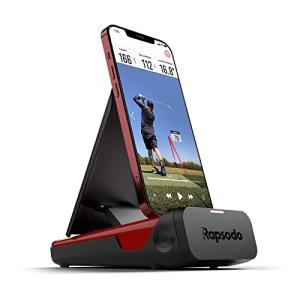
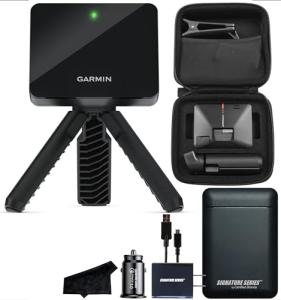
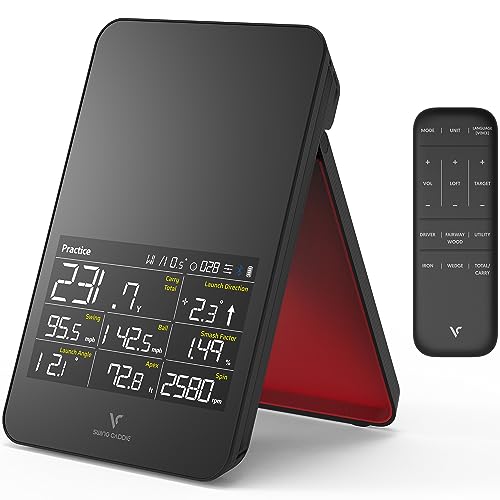
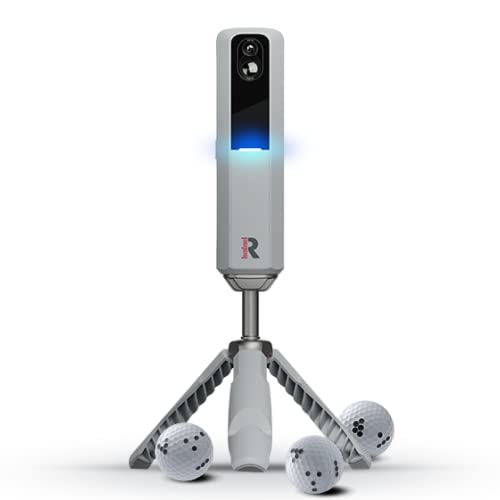
Golfers can experiment with different combinations of clubs and balls to find the ideal spin rates for their game. Launch monitor technology, such as TrackMan or Foresight, provides valuable data on spin rates and helps players make informed equipment choices.
Dynamic Loft
Dynamic loft is the actual loft of the club face at impact, taking into account factors such as shaft flex, angle of attack, and club head design. It is different from the static loft printed on the club and can have a significant impact on launch trajectory.
Golfers with higher swing speeds often benefit from lower dynamic loft, as it helps keep the ball flight penetrating and reduces spin. Conversely, players with slower swing speeds may need more dynamic loft to achieve optimal launch conditions.
To optimize dynamic loft, golfers should work with a qualified club fitter who can assess their swing and recommend appropriate club specifications. Adjustable drivers and fairway woods also allow players to fine-tune loft settings based on course conditions and desired trajectory.
Angle of Attack
The angle of attack refers to the direction of the club head's path relative to the ground at impact. It can be positive (ascending), negative (descending), or neutral. The angle of attack influences launch angle, spin rate, and overall trajectory.
For a driver, a slightly positive angle of attack (hitting up on the ball) is generally preferred, as it promotes a higher launch and lower spin for maximum distance. With irons, a descending angle of attack is often ideal, as it helps compress the ball and create a more consistent strike.
Golfers can improve their angle of attack by:
- Teeing the ball higher or lower to encourage the desired path
- Adjusting ball position forward or back in the stance
- Focusing on maintaining posture and balance throughout the swing
- Using training aids that promote the correct swing plane and path
By understanding and optimizing these key factors—club head speed, club face angle, ball spin rate, dynamic loft, and angle of attack—golfers can unlock their full potential in terms of launch trajectory and overall performance. A combination of proper technique, well-fitted equipment, and dedicated practice will help players achieve their desired ball flight and take their game to the next level.
How Does Club Head Speed Impact Launch Trajectory?
Club head speed is one of the most critical factors influencing a golf ball's launch trajectory. It is the primary determinant of ball speed, which in turn affects distance and overall performance. In this section, we'll explore the relationship between club head speed and launch trajectory, as well as provide tips for increasing speed in your swing.
The Relationship Between Club Head Speed and Ball Speed
The faster the club head is traveling at impact, the more energy is transferred to the golf ball, resulting in higher ball speed. Ball speed is directly proportional to club head speed, with a general rule of thumb being that ball speed is roughly 1.5 times club head speed. For example, if your club head speed with a driver is 100 mph, you can expect a ball speed of around 150 mph.
However, it's important to note that ball speed is not the sole factor in determining distance. Launch angle and spin rate also play significant roles in shaping trajectory and overall performance. A high ball speed with a suboptimal launch angle or excessive spin can result in a less efficient flight and reduced distance.
Optimizing Launch Conditions
To maximize distance and achieve the ideal launch trajectory, golfers must find the right balance between club head speed, launch angle, and spin rate. The optimal combination of these factors varies depending on the individual's swing characteristics and the club being used.
For a driver, the general target launch conditions are:
- Club head speed: As high as possible without sacrificing control
- Launch angle: 12-15 degrees
- Spin rate: 2,000-2,800 rpm
Achieving these launch conditions requires a combination of proper technique, well-fitted equipment, and swing speed optimization. Golfers should work with a qualified instructor or club fitter to assess their swing and identify areas for improvement.
Increasing Club Head Speed
Increasing club head speed is a goal for many golfers looking to gain distance and improve their launch trajectory. While some speed gains can be achieved through equipment changes, the most significant improvements come from technique and physical conditioning.
Here are some tips for increasing club head speed:
-
Improve flexibility: Golfers with better flexibility can create a wider range of motion in their swing, which can lead to increased speed. Focus on stretching exercises for the hips, shoulders, and torso.
-
Strengthen golf-specific muscles: Engage in strength training exercises that target the muscles used in the golf swing, such as the core, glutes, and upper back. Resistance band workouts and medicine ball drills can be particularly effective.
-
Optimize swing mechanics: Work with a qualified instructor to identify and correct any technical issues in your swing that may be limiting your speed potential. Focus on creating a smooth, efficient motion that maximizes energy transfer.
-
Train with speed-specific drills: Incorporate drills designed to promote faster swing speeds, such as overspeed training with weighted clubs or resistance bands. These drills help train your muscles to move faster and more explosively.
-
Use proper equipment: Play with clubs that are well-suited to your swing characteristics and speed potential. Lighter shafts and more forgiving clubheads can help you generate more speed without sacrificing control.
By combining these strategies and consistently working on your swing, you can gradually increase your club head speed and improve your launch trajectory. Remember, progress takes time and dedication, so be patient and persistent in your training.
Real-World Example: Bryson DeChambeau
One professional golfer who has made significant gains in club head speed is Bryson DeChambeau. Known for his scientific approach to the game, DeChambeau has focused on optimizing his physical conditioning and equipment to maximize his speed potential.
Through a rigorous training regimen that includes intense strength training, speed-specific drills, and a protein-rich diet, DeChambeau has been able to increase his club head speed from around 118 mph to over 130 mph with a driver. This speed increase has translated to significant distance gains and a distinct advantage over his competitors.
While most amateur golfers may not have the time or resources to train like DeChambeau, his example demonstrates the potential for speed improvements through dedicated practice and a targeted approach to physical conditioning.
In conclusion, club head speed is a crucial factor in determining a golf ball's launch trajectory and overall performance. By understanding the relationship between speed, launch angle, and spin rate, and by working to optimize these variables through technique, equipment, and physical training, golfers can unlock their full distance potential and take their game to new heights.
What Is the Ideal Launch Angle for Maximum Distance?
Launch angle is a critical component of a golf ball's trajectory and plays a significant role in determining shot distance and overall performance. In this section, we'll discuss the ideal launch angle for maximum distance, as well as the factors that influence launch angle and how golfers can optimize their trajectory for different clubs.
Understanding Launch Angle
Launch angle refers to the initial angle at which the golf ball leaves the clubface at impact. It is measured in degrees relative to the ground and is influenced by factors such as clubhead loft, angle of attack, and dynamic loft.
A higher launch angle typically results in a higher initial trajectory, while a lower launch angle produces a more penetrating ball flight. The ideal launch angle depends on the golfer's swing speed, the club being used, and the desired shot shape.
Ideal Launch Angle for Maximum Driver Distance
For most golfers, the ideal launch angle for a driver shot is between 12 and 15 degrees. This launch angle range, combined with an optimal spin rate (2,000-2,800 rpm) and high clubhead speed, promotes the most efficient ball flight for maximum distance.
However, it's important to note that the ideal launch angle can vary based on individual swing characteristics and ball speed. Golfers with faster swing speeds may benefit from slightly lower launch angles (10-12 degrees) to prevent the ball from ballooning and losing distance. Conversely, players with slower swing speeds may need higher launch angles (15+ degrees) to optimize their trajectory and carry distance.
Here's a table showing the relationship between swing speed, launch angle, and spin rate for optimal driver performance:
| Swing Speed (mph) | Ideal Launch Angle (°) | Ideal Spin Rate (rpm) |
|---|---|---|
| 80-90 | 15-18 | 2,500-3,500 |
| 90-100 | 13-16 | 2,200-3,000 |
| 100-110 | 12-15 | 2,000-2,800 |
| 110-120 | 10-13 | 1,800-2,500 |
| 120+ | 8-11 | 1,600-2,200 |
Table: Optimal launch conditions for drivers based on swing speed.
Optimizing Launch Angle for Irons and Wedges
While high launch angles are desirable for drivers, the ideal launch angle for irons and wedges is generally lower. With these clubs, the primary goal is to achieve a steeper descent angle and more control, rather than maximizing distance.
For irons, the ideal launch angle varies based on the club's loft and the desired shot trajectory. As a general rule, golfers should aim for a launch angle that is roughly half the club's loft angle. For example, a 7-iron with a loft of 34 degrees would have an ideal launch angle of around 17 degrees.
Wedges, which are designed for precision and spin, typically require even lower launch angles. The ideal launch angle for a wedge shot depends on the specific situation, such as the distance to the target, the lie of the ball, and the desired shot shape. In general, golfers should aim for a launch angle between 25 and 35 degrees for most wedge shots.
Factors Affecting Launch Angle
Several factors can influence a golfer's launch angle, including:
-
Clubhead loft: Higher lofted clubs (drivers, fairway woods) naturally produce higher launch angles than lower lofted clubs (irons, wedges).
-
Angle of attack: The angle at which the clubhead approaches the ball at impact can affect launch angle. A positive angle of attack (hitting up on the ball) promotes a higher launch, while a negative angle of attack (hitting down on the ball) results in a lower launch.
-
Ball position: The position of the ball in the stance can influence launch angle. Playing the ball forward can help promote a higher launch, while playing it back can result in a lower launch.
-
Dynamic loft: The actual loft of the clubface at impact, taking into account factors such as shaft flex and clubhead design, can affect launch angle. Optimizing dynamic loft through proper fitting and technique can help golfers achieve their desired launch conditions.
-
Swing speed: Faster swing speeds generally require lower launch angles to maintain optimal ball flight, while slower swing speeds benefit from higher launch angles.
To optimize launch angle, golfers should work with a qualified instructor or club fitter to assess their swing and equipment. Launch monitor technology can provide valuable data on launch conditions and help players make informed adjustments to their technique and setup.
Optimizing Launch Angle Through Equipment
In addition to technique and swing adjustments, golfers can also optimize their launch angle through equipment choices. Modern driver and fairway wood designs often feature adjustable loft settings, allowing players to fine-tune their launch conditions based on their swing characteristics and desired trajectory.
When selecting irons and wedges, golfers should consider their swing speed, angle of attack, and desired ball flight. Players with slower swing speeds may benefit from irons with stronger lofts and more forgiving designs, which can help promote a higher launch and more distance. Conversely, skilled players with faster swing speeds may prefer irons with weaker lofts and more compact designs for added control and workability.
In conclusion, understanding and optimizing launch angle is essential for golfers looking to maximize distance and improve their overall performance. By working with a qualified instructor, utilizing launch monitor technology, and making informed equipment choices, players can fine-tune their launch conditions and unlock their full potential on the course.
How Does Ball Spin Rate Affect Launch Trajectory?
Ball spin rate is another crucial factor that influences a golf ball's launch trajectory and overall performance. In this section, we'll explore the effects of spin rate on ball flight, the optimal spin rates for different clubs, and how golfers can control and optimize spin in their shots.
Understanding Ball Spin Rate
Ball spin rate refers to the amount of backspin imparted on the golf ball at impact, measured in revolutions per minute (rpm). The spin rate affects the ball's lift, drag, and overall trajectory.
Higher spin rates generally result in a higher initial launch angle, more carry distance, and a steeper descent angle. This can be beneficial for certain shots, such as approach shots with irons or wedges, where a high, soft-landing trajectory is desired.
Lower spin rates, on the other hand, promote a more penetrating ball flight with less lift and a shallower descent angle. This can be advantageous for tee shots with a driver, where a lower, more boring trajectory can lead to increased roll and overall distance.
Optimal Spin Rates for Different Clubs
The ideal spin rate varies depending on the club being used and the desired shot trajectory. Here's a table showing the general target spin rates for different club categories:
| Club Category | Ideal Spin Rate (rpm) |
|---|---|
| Driver | 2,000-2,800 |
| Fairway Woods | 2,500-3,500 |
| Hybrids | 3,000-4,000 |
| Irons | 4,000-7,000 |
| Wedges | 7,000-12,000 |
Table: Optimal spin rates for different club categories.
It's important to note that these ranges are general guidelines, and the ideal spin rate can vary based on individual swing characteristics, clubhead design, and ball choice.
Factors Affecting Ball Spin Rate
Several factors can influence the amount of spin imparted on the golf ball at impact, including:
-
Clubhead loft: Higher lofted clubs (wedges, short irons) generate more spin than lower lofted clubs (driver, long irons).
-
Grooves and face texture: Clubheads with deeper grooves and rougher face textures can create more friction at impact, resulting in higher spin rates.
-
Ball construction: The design and materials used in a golf ball's cover, core, and layers can affect its spin characteristics. Softer, urethane-covered balls generally produce more spin than harder, ionomer-covered balls.
-
Swing path and angle of attack: The direction and angle of the clubhead's path through impact can influence spin. A more upward angle of attack and out-to-in path can promote higher spin rates.
-
Quality of impact: Shots struck from the center of the clubface with a square face angle tend to produce optimal spin rates. Off-center hits or shots with an open or closed face can result in suboptimal spin.
Controlling and Optimizing Spin
Golfers can control and optimize spin rates through a combination of technique, equipment, and shot selection. Here are some tips for managing spin:
-
Adjust ball position: Playing the ball slightly back in your stance can help reduce spin on tee shots with a driver, while playing it forward can increase spin on approach shots with irons and wedges.
-
Experiment with different golf balls: Try different ball models with varying spin characteristics to find the one that best suits your swing and desired trajectory.
-
Use the appropriate club for the shot: Select a club that will produce the desired spin rate for the specific shot you're attempting. For example, use a higher lofted wedge for shots that require more spin and a lower lofted iron for shots that need less spin.
-
Focus on quality impact: Practice striking the ball from the center of the clubface with a square face angle to promote optimal spin rates. Use impact tape or a launch monitor to provide feedback on your contact quality.
-
Work with a qualified instructor: A skilled golf coach can help you identify and correct any swing flaws that may be affecting your spin rates, such as an excessively steep or shallow angle of attack.
By understanding the role of spin rate in launch trajectory and implementing these strategies, golfers can optimize their ball flight for improved performance on the course.
Real-World Example: Tiger Woods' Spin Control
Throughout his career, Tiger Woods has been known for his exceptional spin control and ability to shape shots with precision. One of the keys to his success has been his mastery of spin rates and trajectory management.
In his prime, Woods was able to generate high spin rates with his irons and wedges, allowing him to attack pins with laser-like accuracy. At the same time, he could reduce spin on his tee shots with a driver, producing a low, penetrating ball flight for maximum distance.
Woods' spin control was a result of his impeccable technique, as well as his keen understanding of how equipment and ball selection can influence spin rates. He worked tirelessly with his coach and equipment team to fine-tune his spin characteristics and optimize his launch conditions for each club in the bag.
While most amateur golfers may not possess Woods' level of skill and finesse, they can still learn from his approach to spin control. By focusing on quality impact, selecting the right equipment, and developing a solid understanding of how spin affects ball flight, golfers of all levels can improve their trajectory management and overall performance.
In conclusion, ball spin rate is a critical component of a golf ball's launch trajectory and plays a significant role in determining shot shape, distance, and control. By understanding the factors that influence spin and implementing strategies to optimize spin rates for different clubs and shot types, golfers can take their game to the next level and unlock their full potential on the course.
What Role Does Club Face Angle Play in Launch Trajectory?
Club face angle is a crucial factor in determining a golf ball's initial launch direction and trajectory. In this section, we'll discuss the impact of club face angle on ball flight, how it interacts with swing path, and strategies for controlling face angle for optimal launch conditions.
Understanding Club Face Angle
Club face angle refers to the orientation of the clubface relative to the target line at impact. It can be described as square (perpendicular to the target line), open (pointing to the right of the target for a right-handed golfer), or closed (pointing to the left of the target for a right-handed golfer).
The club face angle is the primary determinant of a golf ball's initial direction. A square face angle at impact will generally result in a straight shot, while an open face angle will produce a shot that starts to the right, and a closed face angle will produce a shot that starts to the left (for right-handed golfers).
Club Face Angle and Swing Path
While club face angle determines the initial direction of the ball, the swing path (the direction of the clubhead's travel through impact) influences the ball's curvature. The relationship between club face angle and swing path is known as the "D-Plane" concept, which describes how these two factors combine to create different shot shapes.
Here's a table illustrating the nine basic ball flights resulting from different combinations of club face angle and swing path:
| Club Face Angle | Swing Path | Ball Flight |
|---|---|---|
| Square | Square | Straight |
| Square | In-to-Out | Push-Draw |
| Square | Out-to-In | Pull-Fade |
| Open | Square | Push |
| Open | In-to-Out | Push-Slice |
| Open | Out-to-In | Fade |
| Closed | Square | Pull |
| Closed | In-to-Out | Draw |
| Closed | Out-to-In | Pull-Hook |
Table: Ball flights resulting from different combinations of club face angle and swing path.
To achieve optimal launch conditions and the desired shot shape, golfers must strive to control both club face angle and swing path through impact.
Controlling Club Face Angle
Maintaining a square club face angle at impact is essential for consistently straight shots and optimal launch conditions. Here are some tips for controlling club face angle:
-
Grip: Ensure that your grip is neutral, with the clubface square to your target at address. A weak grip (too much of the club in the palm of your top hand) can promote an open face, while a strong grip (too much of the club in the fingers of your top hand) can promote a closed face.
-
Wrist angles: Keep your wrist angles constant throughout the swing, avoiding excessive cupping or bowing of the lead wrist. Maintaining a neutral wrist position can help you return the clubface to square at impact.
-
Clubface awareness: Practice hitting shots with a focus on clubface control. Use impact tape or a dry-erase marker on the clubface to provide visual feedback on your face angle at impact.
-
Mirror drills: Practice your swing in front of a mirror, paying close attention to the position of the clubface at various points in the swing. Work on maintaining a square face angle throughout the motion.
-
Impact bag drills: Hit shots into an impact bag or a soft cushion to develop a feel for a square face angle at impact. Focus on striking the bag with the clubface pointing directly at your target.
-
Launch monitor feedback: Use a launch monitor to gather data on your club face angle and ball flight. This information can help you identify patterns and make necessary adjustments to your swing.
By consistently working on these techniques and drills, golfers can improve their clubface control and optimize their launch conditions for straighter, more accurate shots.
Adjusting Club Face Angle for Shot Shaping
While a square club face angle is ideal for straight shots, golfers may sometimes need to shape the ball flight to navigate obstacles or adapt to course conditions. To hit intentional draws or fades, players can make subtle adjustments to their club face angle at address and through impact.
To hit a draw (right-to-left curve for right-handed golfers):
- Close the clubface slightly at address
- Aim the clubface at the target, with your body aligned slightly to the right
- Swing along your body alignment, with the club path slightly in-to-out relative to the target line
To hit a fade (left-to-right curve for right-handed golfers):
- Open the clubface slightly at address
- Aim the clubface at the target, with your body aligned slightly to the left
- Swing along your body alignment, with the club path slightly out-to-in relative to the target line
It's essential to note that these adjustments should be subtle, as small changes in club face angle can have a significant impact on ball flight. Practice these shots with a focus on controlled, smooth swings rather than aggressive manipulations of the clubface.
Real-World Example: Dustin Johnson's Clubface Control
Dustin Johnson, one of the world's top professional golfers, is known for his exceptional clubface control and ability to consistently deliver a square face angle at impact. Johnson's technique is characterized by a neutral grip, a stable lead wrist, and a smooth, rhythmic swing tempo.
Throughout his career, Johnson has demonstrated the ability to shape shots when necessary, using subtle adjustments to his club face angle and swing path. However, his primary focus is on maintaining a square face angle and a repeatable swing path for optimal launch conditions.
Johnson's mastery of clubface control has been a key factor in his success on the PGA Tour, allowing him to hit long, straight drives and precise approach shots with remarkable consistency. Amateur golfers can learn from his example by prioritizing clubface control in their own swings and working diligently on the techniques and drills outlined above.
In conclusion, club face angle plays a critical role in a golf ball's launch trajectory, determining the initial direction and influencing shot shape. By understanding the relationship between club face angle and swing path, and by implementing strategies for controlling face angle, golfers can optimize their launch conditions and improve their accuracy on the course. With dedication and practice, anyone can develop better clubface control and take their game to the next level.
How Can Golfers Optimize Their Launch Trajectory?
Optimizing launch trajectory is a key goal for golfers of all skill levels, as it can lead to increased distance, improved accuracy, and better overall performance on the course. In this section, we'll discuss various strategies and techniques that players can employ to fine-tune their launch conditions and get the most out of their shots.
Assess Your Current Launch Conditions
The first step in optimizing your launch trajectory is to gain a clear understanding of your current launch conditions. This can be achieved through the use of launch monitor technology, which provides detailed data on factors such as clubhead speed, ball speed, launch angle, spin rate, and more.
Many golf clubs and training facilities offer launch monitor services, allowing players to get a comprehensive analysis of their swing and ball flight characteristics. By identifying areas for improvement and establishing baseline metrics, golfers can set specific goals and track their progress over time.
Focus on Technique
Developing a sound, repeatable swing technique is essential for optimizing launch trajectory. Here are some key technical elements to focus on:
-
Posture and balance: Maintain an athletic stance with your weight evenly distributed and your spine tilted slightly away from the target. This will help you create a stable base and promote a more efficient swing.
-
Swing plane: Work on swinging the club on a consistent plane, with the clubhead traveling on a path that matches your body alignment. A proper swing plane can help you deliver the clubface square to the ball at impact, promoting optimal launch conditions.
-
Angle of attack: Experiment with different angles of attack to find the ideal balance for your swing. A slightly upward angle of attack with the driver can promote a higher launch and lower spin, while a downward angle of attack with irons can help you achieve a more penetrating ball flight.
-
Wrist angles: Keep your wrist angles stable throughout the swing, avoiding excessive cupping or bowing of the lead wrist. Maintaining neutral wrist angles can help you control the clubface and deliver it square to the ball at impact.
-
Tempo and rhythm: Develop a smooth, controlled swing tempo that allows you to generate clubhead speed efficiently. A balanced, rhythmic swing can help you maintain consistency and optimize your launch conditions.
By working with a qualified instructor and focusing on these key technical elements, golfers can make steady improvements to their swing and launch trajectory.
Optimize Your Equipment
In addition to technique, equipment plays a significant role in optimizing launch trajectory. Here are some ways to ensure that your clubs and ball are working together to promote ideal launch conditions:
-
Club fitting: Undergo a professional club fitting to ensure that your equipment is well-suited to your swing characteristics and desired ball flight. A skilled club fitter can help you select the optimal clubhead, shaft, and grip combinations for your game.
-
Adjustable drivers: Take advantage of adjustable drivers to fine-tune your launch conditions. Many modern drivers allow you to change loft, lie, and face angle settings, enabling you to customize your ball flight and optimize your trajectory.
-
Ball selection: Choose a golf ball that complements your swing speed and desired launch conditions. Factors such as cover material, core design, and dimple pattern can all influence a ball's spin and launch characteristics.
-
Shaft selection: Pay close attention to shaft flex, weight, and kick point when selecting clubs. The right shaft can help you optimize launch conditions and maximize your distance potential.
By working with a qualified club fitter and experimenting with different equipment options, golfers can find the ideal setup for their swing and launch preferences.
Incorporate Launch Monitor Practice Sessions
To further refine your launch trajectory, consider incorporating regular launch monitor practice sessions into your training routine. By using a launch monitor to gather real-time data on your shots, you can make informed adjustments to your technique and equipment.
During these practice sessions, focus on hitting a variety of shots with different clubs, and pay close attention to the launch monitor metrics. Experiment with small changes to your setup, swing, and equipment, and observe how these changes impact your launch conditions.
Over time, this data-driven approach to practice can help you develop a deeper understanding of your swing and launch characteristics, allowing you to make more precise adjustments and optimize your trajectory for peak performance.
Adapt to Course Conditions
Finally, it's essential to recognize that optimal launch trajectory can vary depending on course conditions and the specific shot at hand. Factors such as wind, elevation, temperature, and turf conditions can all influence how the ball will fly and react upon landing.
To optimize your launch trajectory in different situations, consider the following strategies:
-
Adjust your ball position: Moving the ball slightly forward or back in your stance can help you adapt to different lies and wind conditions. For example, playing the ball back can help you lower your trajectory in windy conditions, while playing it forward can help you launch the ball higher from tight lies.
-
Change your club selection: Depending on the situation, you may need to adjust your club selection to achieve the desired launch trajectory. For instance, using a higher-lofted club can help you launch the ball over an obstacle, while a lower-lofted club can help you keep the ball under the wind.
-
Adapt your swing: Make small adjustments to your swing to accommodate different course conditions. For example, taking a slightly shorter backswing can help you control your trajectory in windy conditions, while a smoother tempo can help you maintain solid contact from difficult lies.
By learning to adapt your launch trajectory to different course conditions, you'll be better equipped to navigate the challenges of the game and optimize your performance in any situation.
In conclusion, optimizing launch trajectory is a multifaceted process that involves a combination of technique, equipment, practice, and course management. By assessing your current launch conditions, focusing on key technical elements, optimizing your equipment setup, incorporating data-driven practice sessions, and adapting to course conditions, you can fine-tune your trajectory and take your game to new heights. Remember, the path to improvement is an ongoing journey, so stay patient.