What are the best colors for high visibility golf balls?
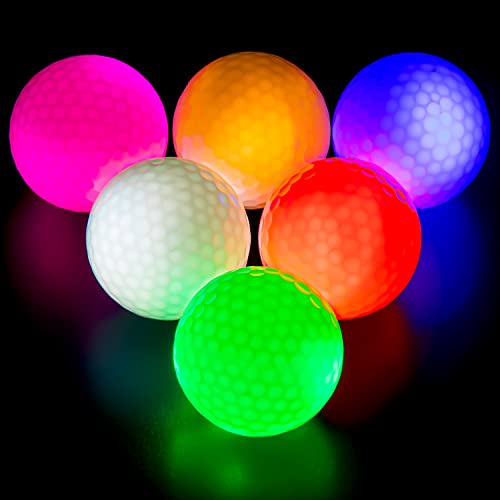
When it comes to choosing a high visibility golf ball, the color makes a big difference in how easy it is to track your ball in flight and find it on the course. While color preference is subjective, there are some colors that tend to stand out better than others:
- Yellow/Neon Green - Bright yellow and neon green are two of the most popular colors for high visibility. They provide excellent contrast against blue skies and green grass.
137
- Orange - A bright, almost fluorescent orange is another top choice. Orange balls are very easy to spot in most conditions other than fall leaves.
17
- Pink - Hot pink golf balls are growing in popularity and visibility. Many golfers feel a bright pink is the easiest color to see in the air and on the ground.
27
- Red - Bright red can offer good visibility, but red color blindness is relatively common, so red balls don't work for everyone. They can also blend in with fall foliage.
67
- Blue - Vivid blue can stand out well in some conditions, but it can be harder to track against a blue sky background compared to warm colors like yellow and orange.
715
Some other tips for maximizing golf ball visibility:
- Opt for a matte or semi-gloss finish which increases visibility vs a glossy coating
2
- Consider using different color balls in different seasons - ex. yellow in summer, orange in fall
7
- If you have any color blindness, get some sample colors and test them out before buying in bulk
6
Ultimately, the "best" color for you depends on your unique vision and the typical conditions you play in. But for all-around high visibility, your best bets are bright yellow, neon green, fluorescent orange, and hot pink.Here is a summary table of the high visibility color recommendations:
| Color | Pros | Cons |
|---|---|---|
| Yellow/Neon Green | High contrast in air and on grass | May be too bright for some |
| Orange | Excellent ground visibility | Can blend with fall leaves |
| Pink | Increasingly popular for visibility | Some golfers avoid pink |
| Red | Good visibility for most | Problematic for color blind players |
| Blue | Vivid color | Can be hard to track in sky |
In the end, don't be afraid to experiment with different high visibility colors to find the one that works best for your game. Colored golf balls are all about making the game more enjoyable.
Do colored golf balls perform differently than white balls?
There is essentially no performance difference between colored golf balls and standard white balls from the same model and brand. The only difference is the color of the outer cover - the core, materials, construction, and performance characteristics are identical.
The cover of a colored ball goes through an additional pigmentation process to achieve the desired bright hue, but this thin outer coating does not impact factors like:
- Ball speed off the clubface
- Spin rates with wedges or driver
- Launch angle
- Overall distance
Extensive testing by manufacturers and third parties has confirmed that colored and white versions of the same ball model have statistically equivalent performance across the board.
The ball's construction, compression, and materials dictate performance, not the color.Some golfers may initially feel like a colored ball flies differently, but this is simply due to the visual difference rather than any change in actual ball physics or aerodynamics. With some adjustment time, colored balls perform exactly like their white counterparts.
The one very minor difference is that colored balls can sometimes appear slightly dirtier or more scuffed after being struck compared to a new white ball. But this cosmetic issue does not impact performance.
So in summary:
- Ball speed, spin, launch, and distance are the same
- Only the outer cover color is changed, not materials
- Any perceived differences are purely visual, not technical
- After an adjustment period, colored balls perform identically
Whether you prefer the classic white ball or want to add some flair with a bright color, you can choose based on visibility and style preferences without sacrificing performance.
Are colored golf balls allowed in tournaments and professional play?
Yes, colored golf balls are permitted for use in all professional tournaments and events, as long as the specific ball model is on the conforming list approved by the governing bodies like the USGA and R&A.
While most pros stick with traditional white balls, there have been some notable examples of colored balls on the PGA and LPGA Tours:
- Bubba Watson used a pink Volvik ball for a period
- K.J. Choi has played with a yellow ball
- Some senior tour players opt for colored balls to improve visibility
The only rules regarding colored balls are:
- The ball must be a conforming model and on the approved list
- The same brand/model ball must be used for the entire round (you cannot switch colors mid-round unless replacing a damaged or lost ball)
Other than those two provisions, the rules allow any color to be used in tournament play.
There are no restrictions on specific hues or requirements to use white balls.So while most pros prefer to stick with the white balls they've practiced with, colored options are perfectly legal and permissible under the rules of golf. It comes down to personal preference.Some key points on colored ball usage in pro events:
- Allowed in PGA, LPGA, USGA, R&A and all pro tours
- Must be an approved conforming model
- Cannot switch colors/models during a round
- Mainly seen on senior tours or with individual player preferences
- No explicit rules prohibiting or restricting colored balls
As long as you use a conforming ball model consistently for 18 holes, the rules allow you to play with any color you prefer, even at the highest levels of tournament golf.
What brands make the best high visibility colored golf balls?
Several major golf brands now offer high-quality colored golf balls that provide the same performance as their white counterparts. Some of the top options include:- Titleist Pro V1 and Pro V1x - The #1 ball in golf is now available in high-optic yellow. It has the same premium urethane cover, soft feel, and tour-level performance as the white version.
311
- Callaway Chrome Soft - Callaway's popular tour ball comes in yellow and the unique Truvis pattern for enhanced visibility. The graphene-infused dual core delivers fast ball speeds.
4
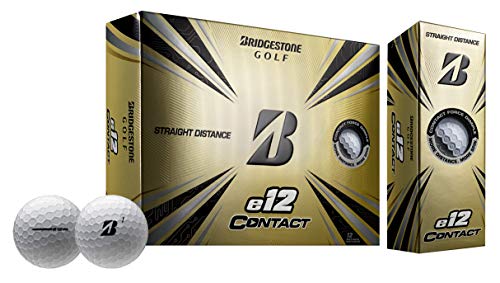
- Bridgestone e12 Contact - Bridgestone's three-piece surlyn golf ball is offered in bright yellow and red options. It features a unique Contact Force dimple pattern for more distance.
4
- Srixon Z-Star and Q-Star Tour - Srixon's premium tour balls are available in Tour Yellow. They have a urethane cover, high-speed core, and 338 Speed Dimple pattern.
419
- Volvik Vivid - Volvik specializes in matte-finish colored balls in nearly every hue imaginable. The three-piece Vivid provides long distance and soft feel.
47
- Wilson Duo Optix - The two-piece Wilson Duo Optix comes in matte yellow, orange, green and red. It has a low-compression core for slower swing speeds.
47
- TaylorMade TP5 Pix - While not a solid color, the TP5 Pix features graphics and patterns in yellow and red that enhance visibility and aid with alignment.
419
- Opt for a urethane-covered tour ball if you want premium short game spin and feel
- For slower swing speeds, choose a two or three-piece ionomer-cover ball for more distance
- Matte finishes reduce sun glare which can further improve visibility
4
- Yellow and green-yellow are the easiest colors to see in the air and on the ground
7
Are matte finish or glossy finish colored balls easier to see?
Between matte and glossy finishes, matte colored golf balls are generally considered easier to see and track. There are a few key reasons why:- Glare reduction - The primary benefit of a matte finish is that it diffuses sunlight and reduces glare. On sunny days, glossy balls can have a distracting shine that makes them harder to track in the air. Matte balls stay more visible.
247
- Improved contrast - Matte finishes tend to look slightly darker or more saturated in color compared to glossy. This can create better contrast against the sky and clouds.
4
- Easier on the eyes - Many golfers find the non-reflective properties of matte balls easier on the eyes. There's less strain following the ball flight without the glare.
7
- Better for depth perception - Some players feel the flatter light reflection off matte balls makes it easier to perceive trajectory and depth as the ball flies through the air.
4
- Matte finishes can highlight scuffs and dirt more than gloss, making the ball appear duller over time
- Some players prefer the classic shiny look of glossy balls, especially when new
How do I choose the right color golf ball for my vision and playing conditions?
Choosing the right color golf ball depends on several factors, including your eyesight, the typical weather and course conditions you play in, and personal preference. Here are some tips to help select the best color for your game:Consider your vision
- If you have any color blindness, get some sample colors and test them out before buying in bulk. Red-green color blindness is most common.
6
- Yellow, orange, and green are easiest for the human eye to see, while red and blue don't stand out as well against sky or grass.
17
- Players can track a colored ball almost 50% better than a white ball on 200-yard shots.
1
Factor in playing conditions
- Bright yellow is a great all-around choice that shows up well in the air and on the ground.
1
- Orange excels in most conditions except fall leaves. Avoid orange if you play a lot of autumn golf.
17
- Green provides excellent visibility but can occasionally blend into the putting surface.
7
- For overcast days, green provides the most contrast. Yellow is great at dawn and dusk.
4
- White balls are still very visible and remain the most popular color overall.
1
Experiment with finishes
- Matte or semi-gloss finishes reduce sun glare which can enhance visibility.
24
- Glossy finishes provide a classic look but make the color seem less vivid.
4
Align visibility with performance needs
- If maximizing distance is your goal, choose a high-visibility version of a low-compression, two-piece ball.
4
- For short game spin and control, opt for a colored multi-layer urethane-covered ball from brands like Titleist, Callaway, Bridgestone or Srixon.
4
Test different colors on the course
- If unsure, buy several colors and brands of balls to test on the range and the course.
6
- See which colors you can follow most easily in the air and spot quickly on the ground.
- Go with the color that inspires the most confidence and feels right to your eye.
Do any PGA or LPGA Tour pros use colored golf balls?
Yes, while the vast majority of professional golfers on the major tours use traditional white golf balls, there have been a few notable examples of pros using colored balls in tournament play.The most famous example is Bubba Watson, who has frequently used bright pink Volvik golf balls since signing an endorsement deal with the company in 2017. Watson even played the pink balls at the Masters, one of golf's most traditional events.- K.J. Choi has played with bright yellow golf balls
12
- Hale Irwin used an orange ball during his playing days in the 1970s and 80s
1
- Craig Stadler has used colored balls on the PGA Tour Champions (senior tour)
5
- Force of habit/tradition - Most pros grew up playing and watching white balls, so they stick with what's familiar.
13
- Brand endorsements - The top ball manufacturers like Titleist, Callaway, etc. produce far more white ball models, which pros are incentivized to use.
13
- Visibility concerns - Some have claimed colored balls can look "fuzzy" on TV broadcasts compared to white.
However, this view is debated.8
- Consistency - Pros value being able to consistently track the same color ball flight after flight.
23
Are colored golf balls good for beginners and high handicappers?
Yes, colored golf balls can absolutely benefit beginners, high handicappers, and casual recreational golfers in several ways:- Improved visibility
The primary advantage of colored balls is that they are much easier to see and track in the air and on the course compared to traditional white balls. This is especially helpful for beginners still working on making solid contact and following their ball flight. - Easier to find
Bright colors like yellow, orange, pink, etc. stand out better against green grass, bushes, and rough, making it simpler to locate errant shots that may go awry for higher handicappers. This can speed up play. - Boosted confidence
For some golfers, playing a colored ball they can see well inspires more confidence over the ball. This mental boost can promote better focus and shot-making. - More fun
Many beginners and casual players view colored balls as a way to add some personality and enjoyment to their - round. Golf can be intimidating at first, so colored balls make it more light-hearted.
- They can be more expensive than basic white balls in some cases
- Very bright colors may be distracting for some players
What are the pros and cons of using colored vs white golf balls?
Pros of Colored Golf Balls
- Improved Visibility
- Colored balls like yellow, orange, pink are much easier to see and track in the air compared to white balls, especially against blue skies.
146
- Bright colors provide better contrast against green grass, making balls easier to spot after landing.
14
- Colored balls like yellow, orange, pink are much easier to see and track in the air compared to white balls, especially against blue skies.
- Easier to Find
- Vivid colors stand out better in the rough, woods, and bunkers, reducing lost balls.
16
- Can distinguish your ball easily from playing partners using white.
- Vivid colors stand out better in the rough, woods, and bunkers, reducing lost balls.
- Potential Performance Benefits
- Some golfers feel colored balls are up to 50% easier to visually track on long shots, aiding distance perception.
46
- Increased confidence from better visibility can promote positive mindset and shot-making.
8
- Some golfers feel colored balls are up to 50% easier to visually track on long shots, aiding distance perception.
- More Fun
- Colored balls allow players to express personality and add enjoyment to their round.
68
- Can boost mood - red/orange promote intensity, yellow/green calmness.
1
- Colored balls allow players to express personality and add enjoyment to their round.
Cons of Colored Golf Balls
- Reduced Visibility in Some Conditions
- Orange balls can blend into fall foliage.
17
- Blue and darker colors don't contrast as well against sky.
18
- Overcast/low light conditions can negate colored ball advantages.
6
- Orange balls can blend into fall foliage.
- Distraction Potential
- Very bright colors may be distracting for some players.
8
- Glossy colored finishes can create more glare/reflection issues.
4
- Very bright colors may be distracting for some players.
- Cost
- Premium colored balls from top brands can be more expensive than basic white models.
8
- Premium colored balls from top brands can be more expensive than basic white models.
- Force of Habit/Tradition
- Most pros and better players grew up playing white balls and prefer sticking with tradition.
23
- Some perceive colored balls as less "professional" in certain circles.
8
- Most pros and better players grew up playing white balls and prefer sticking with tradition.