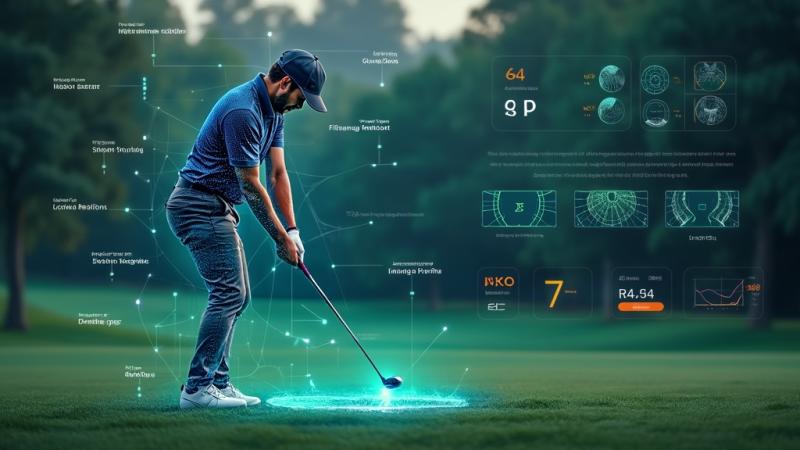


Have you ever wondered what the future holds for the game of golf? As an industry expert with decades of experience, I can tell you that the sport is on the cusp of a technological revolution. From AI-powered analytics to eco-friendly course designs, a wave of innovations is set to redefine how we play, watch, and experience golf in the coming years. Let's break this down into bite-sized pieces, shall we?
1. The AI Revolution in Golf
1.1 Intelligent Club Fitting and Customization
Gone are the days of one-size-fits-all golf clubs. With the help of artificial intelligence (AI), golfers can now get clubs that are tailored to their unique swing characteristics. Companies like Ping and Callaway use machine learning algorithms to analyze a player's swing data and recommend the optimal club specifications for their game.
1.2 AI Swing Analysis and Coaching
Speaking of swings, AI is also transforming the way golfers improve their technique. Imagine having a virtual coach that can analyze your every move and provide instant feedback. That's exactly what platforms like Arccos Caddie and 18Birdies offer. By leveraging AI-powered swing analysis, these apps can identify flaws in your form and suggest drills to help you perfect your game.
1.3 Cognitive Computing for Strategic Decision Making
But AI isn't just about improving individual skills; it's also changing the way golfers approach strategy. Cognitive computing systems like IBM Watson can crunch massive amounts of data - from course layouts to weather patterns - to help players make smarter decisions on the green. It's like having a caddie with a supercomputer for a brain!
1.4 The Future of AI-Enhanced Golf
As AI continues to evolve, we can expect even more groundbreaking applications in golf. Imagine smart golf balls that can adjust their flight path mid-air, or augmented reality glasses that display real-time course information. The possibilities are endless, and AI will undoubtedly play a central role in shaping the future of the sport.
2. Advanced Analytics Transforming the Game
2.1 Big Data in Professional Golf
At the professional level, big data is already revolutionizing the way golfers compete. The PGA Tour has partnered with Microsoft to create a cutting-edge analytics platform that provides players and coaches with unprecedented insights into performance trends and areas for improvement. By leveraging this data, pros can gain a competitive edge and push the boundaries of what's possible on the course.
2.2 Predictive Analytics for Amateur Players
But advanced analytics aren't just for the pros. Amateur golfers can also benefit from data-driven insights to help them up their game. Platforms like Shotscope and Game Golf use GPS tracking and machine learning to provide players with detailed performance analytics and personalized recommendations for improvement.
2.3 Real-Time Performance Tracking and Optimization
One of the most exciting applications of analytics in golf is real-time performance tracking. Imagine having a smart wristband that can detect your swing speed, ball spin, and launch angle - all in real-time. With this data at your fingertips, you can make instant adjustments to optimize your performance on the fly. It's like having a data scientist in your pocket!
2.4 Leveraging Analytics for Golf Course Management
Analytics aren't just transforming the player experience; they're also revolutionizing golf course management. By analyzing data on everything from turf health to player traffic patterns, course managers can make data-driven decisions to optimize maintenance, reduce costs, and enhance the overall golfing experience.
3. The Emergence of High-Tech Golf Experiences
3.1 Gamified Driving Ranges and Entertainment Centers
Who says golf has to be a serious sport? A new breed of high-tech driving ranges and entertainment centers are making golf more accessible and engaging than ever before. Take Topgolf, for example. With its gamified hitting bays and high-tech tracking systems, Topgolf has attracted a whole new generation of players who might otherwise never have picked up a club.
3.2 Indoor Golf Simulators for Year-Round Play
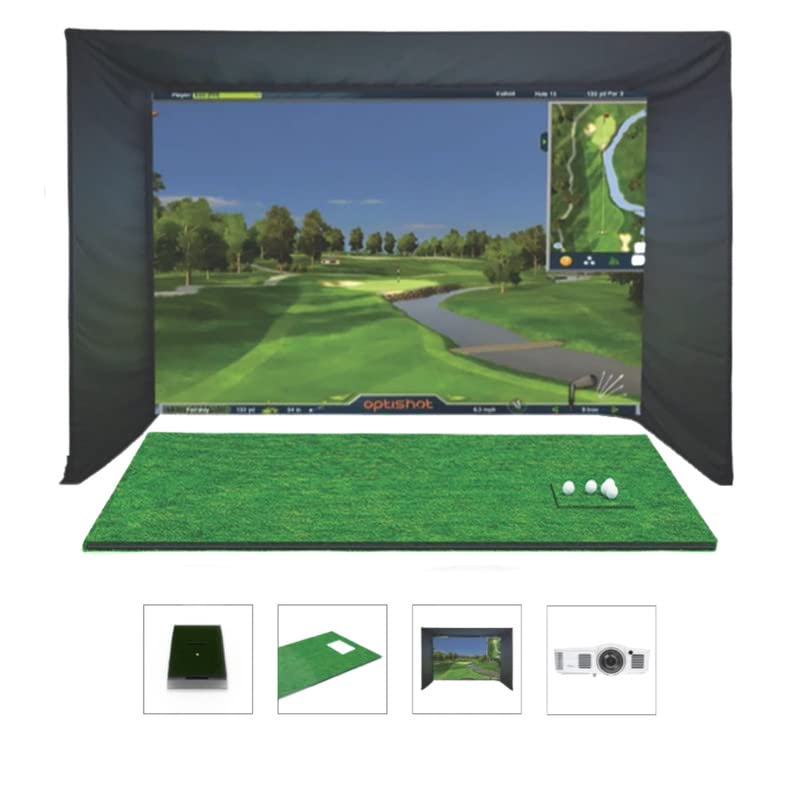
But what if you live in a place where the weather isn't always conducive to golfing? That's where indoor golf simulators come in. With cutting-edge technology that can replicate the look and feel of world-class courses, simulators like Full Swing and X-Golf allow golfers to play anytime, anywhere - rain or shine.
3.3 AR and VR Training Aids
Augmented reality (AR) and virtual reality (VR) are also making waves in the golf world. Imagine being able to practice your swing in a virtual driving range, or getting real-time feedback on your form through AR glasses. With products like the Hololens and Oculus Quest, these futuristic training aids are quickly becoming a reality.
3.4 Smart Equipment: Clubs, Balls, and Wearables
Of course, no discussion of high-tech golf experiences would be complete without mentioning smart equipment. From sensor-embedded clubs that can track your swing metrics to GPS-enabled balls that can help you locate your shot, the world of golf gear is getting smarter by the day. And with the rise of wearables like the Garmin Approach S62, golfers can now access a wealth of performance data right from their wrist.
4. Golf's Sustainability Push
4.1 Water Conservation Strategies for Golf Courses
As concerns about climate change and resource scarcity continue to grow, the golf industry is taking steps to become more sustainable. One key area of focus is water conservation. Golf courses are notorious for their high water usage, but new technologies like precision irrigation systems and drought-resistant turf grasses are helping to reduce this footprint.
4.2 Eco-Friendly Turf Management Practices
Another way golf courses are going green is through eco-friendly turf management practices. By using organic fertilizers, integrated pest management techniques, and other sustainable methods, courses can maintain pristine greens while minimizing their environmental impact.
4.3 Sustainable Golf Course Design and Architecture
Sustainability is also influencing golf course design and architecture. From incorporating native plants and wildlife habitats to designing courses that require less water and maintenance, architects are finding creative ways to build greener, more resilient golf courses.
4.4 Renewable Energy Adoption in Golf Operations
Finally, many golf courses and resorts are embracing renewable energy to power their operations. From solar-powered golf carts to geothermal heating and cooling systems, these innovations are helping the industry reduce its carbon footprint and become more self-sufficient.
5. Reimagining Golf Through Radical Innovation
5.1 Autonomous Golf Carts and Caddie Robots
But sustainability is just one aspect of the radical innovation reshaping golf. Have you ever wished you could have a robotic caddie to carry your clubs and offer strategic advice? Well, that dream may soon become a reality. Companies like Club Car and Golfboard are already experimenting with autonomous golf carts and caddie robots that could revolutionize the way we navigate the course.
5.2 3D Printed Clubs and Customized Equipment
Another area ripe for disruption is golf equipment manufacturing. With the rise of 3D printing, it's now possible to create fully customized clubs and gear that are tailored to a player's exact specifications. Imagine being able to design your own driver or putter from scratch, with every detail optimized for your unique swing and playing style.
5.3 Flexible Pricing Models: Pay-Per-Hole and Subscriptions
But innovation isn't just about new gadgets; it's also about rethinking old business models. One trend that's gaining traction is flexible pricing for golf rounds. Rather than paying a flat fee for 18 holes, some courses are experimenting with pay-per-hole pricing or even subscription-based models that allow golfers to play as much as they want for a monthly fee.
5.4 Augmented Reality Golf Experiences
Finally, let's not forget about the potential of augmented reality (AR) to transform the golfing experience. Imagine playing a round where digital overlays and interactive elements are seamlessly integrated into the physical course. You could see real-time ball flight trajectories, get instant feedback on your swing, or even play virtual mini-games within the larger course environment. The possibilities are endless!
6. The Shifting Landscape of Golf Media
6.1 The Rise of Live Streaming and Social Media
Of course, it's not just the on-course experience that's evolving; the way we consume golf media is also undergoing a major shift. With the rise of live streaming platforms like Twitch and YouTube, fans can now watch their favorite players in real-time, from anywhere in the world. And social media has given golfers a powerful new way to connect with fans and build their personal brands.
6.2 Influencer Marketing in Golf
Speaking of personal brands, influencer marketing is becoming an increasingly important part of the golf media landscape. From Instagram stars to YouTube vloggers, a new generation of golf influencers is emerging, and they're changing the way brands and fans interact with the sport.
6.3 Interactive Fan Engagement Apps
But it's not just about passive consumption; golf media is also becoming more interactive. New fan engagement apps like FanBeat and Chirp allow viewers to compete against each other in real-time during live tournaments, adding a whole new layer of excitement and engagement to the viewing experience.
6.4 Immersive Viewing with 5G and Volumetric Video
And with the advent of 5G networks and volumetric video technology, we can expect even more immersive viewing experiences in the future. Imagine being able to watch a golf tournament from any angle, or even step inside a virtual recreation of iconic moments in golf history. The possibilities are truly mind-boggling!
7. Golf's Youth Movement
7.1 Engaging the Next Generation of Golfers
But perhaps the most important trend shaping the future of golf is the sport's youth movement. As golf looks to attract a new generation of players, it's critical that the industry finds ways to make the game more accessible, engaging, and relevant to young people.
7.2 Adapting Golf for Younger Attention Spans
One way to do this is by adapting the game to suit younger attention spans. From shorter course layouts to gamified practice facilities, there are plenty of ways to make golf more appealing to kids and teens. The PGA Junior League is a great example of this, with its team-based competition format and emphasis on fun and camaraderie.
7.3 Gamification Strategies to Attract Junior Players
Gamification is another powerful tool for attracting junior golfers. By incorporating elements of video games and digital rewards systems into the golfing experience, courses and training facilities can make the sport more engaging and addictive for young players.
7.4 Investing in Youth Golf Programs and Academies
Finally, investing in youth golf programs and academies is critical for nurturing the next generation of talent. From school-based initiatives to elite training centers, there are plenty of ways for the golf industry to support and develop young players.
8. The Globalization of Golf
8.1 Emerging Golf Markets in Asia and Africa
As golf continues to grow and evolve, it's also becoming an increasingly global sport. Emerging markets in Asia and Africa are seeing a surge in interest and participation, with countries like China, India, and Nigeria poised for major growth in the coming years.
8.2 Cross-Cultural Golf Tourism and Experiences
This globalization is also driving a new wave of cross-cultural golf tourism and experiences. From exotic course destinations to international tournaments and events, golfers are increasingly seeking out new and diverse ways to experience the sport around the world.
8.3 International Talent Development and Scouting
Of course, this global growth is also creating new opportunities for talent development and scouting. As more and more countries invest in golf infrastructure and training programs, we can expect to see a new generation of international stars emerge on the world stage.
8.4 Golf's Role in Global Sports Diplomacy
Finally, golf is also playing an increasingly important role in global sports diplomacy. From the Ryder Cup to the Presidents Cup, international team competitions are helping to foster cross-cultural understanding and goodwill through the shared love of the game.
9. Innovations in Golf Course Design
9.1 Modular and Adaptable Course Layouts
But it's not just the global golf landscape that's evolving; the courses themselves are also undergoing a transformation. One trend that's gaining traction is modular and adaptable course design. By creating courses with movable tees, greens, and hazards, designers can create layouts that can be easily reconfigured to suit different skill levels and playing styles.
9.2 Integrating Golf with Other Sports and Activities
Another trend is the integration of golf with other sports and activities. From FootGolf to FlingGolf, there are plenty of ways to combine the basic elements of golf with other athletic pursuits. These hybrid sports are helping to attract new players and keep the game fresh and exciting.
9.3 Designing for Environmental Resilience
As climate change continues to impact the planet, golf course designers are also increasingly focused on environmental resilience. From using drought-resistant grasses to incorporating natural stormwater management systems, these innovations are helping to create courses that are better equipped to withstand the challenges of a changing climate.
9.4 Virtual Reality Golf Course Design Tools
Finally, virtual reality (VR) is also transforming the way golf courses are designed and visualized. With tools like GolfVR, designers can create immersive 3D models of courses before a single shovel hits the ground. This allows for greater creativity, collaboration, and efficiency in the design process.
10. The Business of Golf in the Digital Age
10.1 E-Commerce and Online Golf Retail
Of course, no discussion of the future of golf would be complete without mentioning the impact of digital technology on the business of the sport. One major trend is the rise of e-commerce and online golf retail. From direct-to-consumer club brands to virtual pro shops, the internet is transforming the way golfers research, purchase, and experience golf equipment and merchandise.
10.2 Data-Driven Marketing and Customer Engagement
Digital technology is also enabling new forms of data-driven marketing and customer engagement. By leveraging tools like social media, email marketing, and customer relationship management (CRM) systems, golf brands and facilities can better understand and serve their customers' needs and preferences.
10.3 Digital Transformation of Golf Course Operations
But it's not just about marketing; digital technology is also transforming the day-to-day operations of golf courses and facilities. From mobile check-in and tee time booking to GPS-enabled course maintenance, these innovations are helping to streamline and optimize every aspect of the golfing experience.
10.4 New Revenue Streams and Business Models
Finally, digital technology is also enabling new revenue streams and business models for the golf industry. From subscription-based training programs to virtual tournament platforms, there are plenty of ways for brands and entrepreneurs to monetize their expertise and passion for the sport in the digital age.
11. Golf and Health: The Wellness Angle
11.1 The Physical and Mental Health Benefits of Golf
But golf isn't just a sport or a business; it's also an important tool for promoting physical and mental health. Studies have shown that regular golfing can help improve cardiovascular fitness, balance, and flexibility, while also reducing stress and anxiety.
11.2 Golf as a Prescription for Chronic Conditions
In fact, some doctors are even starting to prescribe golf as a treatment for chronic conditions like obesity, diabetes, and depression. With its unique combination of low-impact exercise, social interaction, and natural surroundings, golf is increasingly being recognized as a powerful tool for promoting overall health and wellbeing.
11.3 Integrating Wellness Amenities at Golf Resorts
Golf resorts and destinations are also starting to capitalize on this wellness trend by integrating health and fitness amenities into their offerings. From spa treatments and yoga classes to healthy dining options and fitness centers, these resorts are creating immersive wellness experiences that cater to the growing demand for health-conscious travel.
11.4 Golf and Longevity: Playing for a Lifetime
Finally, it's worth noting that golf is a sport that can be enjoyed for a lifetime. Unlike many other athletic pursuits that require intense physical exertion or put excessive strain on the body, golf is a low-impact activity that can be adapted to suit players of all ages and abilities. As a result, it's not uncommon to see golfers in their 80s or even 90s still enjoying regular rounds on the course.
12. The Future of Golf: Trends to Watch
12.1 The Impact of Climate Change on Golf
As we look to the future of golf, there are several key trends and challenges that will shape the sport in the coming years. Perhaps the most pressing of these is the impact of climate change. As global temperatures continue to rise and weather patterns become more unpredictable, golf courses will need to adapt to new environmental realities. This may involve everything from investing in more resilient turf grasses to redesigning courses to better manage water resources and protect against extreme weather events.
12.2 Golf's Role in Smart Cities and Urban Planning
Another trend to watch is the role of golf in the development of smart cities and urban planning. As cities become more densely populated and green space becomes more scarce, golf courses are increasingly being recognized as valuable community assets that can provide important ecosystem services and recreational opportunities. By integrating golf courses into larger networks of parks, trails, and green infrastructure, urban planners can create more livable, sustainable, and resilient cities for the future.
12.3 The Potential of Blockchain and Cryptocurrencies
Blockchain and cryptocurrencies are another area of potential disruption for the golf industry. From secure ticketing and merchandise sales to transparent supply chain management and player contracts, these technologies could help to streamline and secure many aspects of the business of golf. And with the rise of non-fungible tokens (NFTs) and other digital collectibles, there may even be new opportunities for golf brands and players to monetize their intellectual property and engage with fans in innovative ways.
12.4 Envisioning Golf in the Age of Space Tourism
Finally, as we look to the more distant future, it's fun to imagine how golf might evolve in the age of space tourism and interplanetary exploration. Could we see zero-gravity driving ranges or lunar golf courses? While these ideas may seem far-fetched, they speak to the enduring appeal and adaptability of the sport. No matter how much the world changes, there will always be a place for the simple joy of hitting a ball with a stick.
As I reflect on the many trends and innovations shaping the future of golf, I can't help but feel excited about what lies ahead. From high-tech equipment and immersive media experiences to sustainable course design and global talent development, the sport is evolving in ways that were once unimaginable. At the same time, the core elements that have made golf so enduring - the challenge, the camaraderie, the connection to nature - remain as vital as ever. As someone who has dedicated my career to this wonderful game, I feel privileged to be part of this ongoing evolution, and I can't wait to see where the sport takes us next. Whether you're a seasoned pro or a curious newcomer, there's never been a better time to pick up a club and join the adventure. See you on the course!