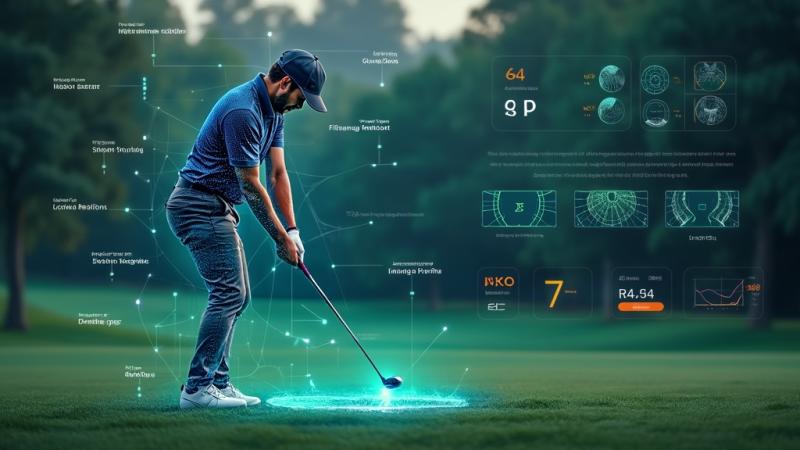
Have you ever considered golf as more than just a sport or leisure activity? As a seasoned golf enthusiast and wellness advocate, I've witnessed firsthand the transformative power of this game. Golf is not only a fun way to spend time outdoors, but it also offers a myriad of physical, mental, and social benefits that contribute to overall well-being. In fact, did you know that walking an 18-hole course can burn up to 2,000 calories? That's equivalent to a 5-mile run! Let's dive into the fascinating world of golf and wellness, and discover how this growing trend is changing lives for the better.
1. The Physical Benefits of Golf
1.1 Cardiovascular Health
One of the most significant physical benefits of golf is its impact on cardiovascular health. Walking the course, carrying your bag, and swinging your clubs all contribute to elevating your heart rate and improving circulation. Regular golf sessions can help:
- Lower blood pressure
- Reduce the risk of heart disease and stroke
- Improve cholesterol levels
1.2 Muscle Strength and Flexibility
Golf may not be as intense as weightlifting or high-impact sports, but it still provides a full-body workout. Swinging a club engages multiple muscle groups, including your core, back, shoulders, and legs. Over time, this repetitive motion can lead to increased strength and flexibility, especially when combined with proper stretching and warm-up exercises.
1.3 Improved Balance and Coordination
Maintaining balance and coordination is crucial for golfers of all ages. The golf swing requires a stable stance, precise movements, and excellent hand-eye coordination. As you practice and play regularly, you'll notice improvements in your overall balance and coordination, which can translate to better stability and reduced risk of falls in daily life.
1.4 Low-Impact Exercise for All Ages
One of the most appealing aspects of golf is that it's a low-impact sport suitable for people of all ages and fitness levels. Unlike high-impact activities like running or jumping, golf puts minimal stress on your joints, making it an excellent choice for those with arthritis, back pain, or other physical limitations. Plus, with the option to use a golf cart or caddie, even individuals with mobility issues can enjoy the game.
2. The Mental Health Benefits of Golf
2.1 Stress Reduction and Relaxation
In today's fast-paced world, stress is a common concern for many people. Luckily, golf provides a much-needed escape from the daily grind. The serene, natural setting of a golf course, combined with the rhythmic motion of the swing, can help reduce stress and promote relaxation. In fact, a study by the University of Edinburgh found that playing golf can help reduce stress and anxiety levels by up to 30%!
2.2 Improved Concentration and Focus
Golf is as much a mental game as it is a physical one. To excel on the course, players must maintain sharp focus and concentration, blocking out distractions and honing in on each shot. This mental discipline can carry over into other areas of life, enhancing productivity and decision-making skills.
2.3 Boosting Self-Esteem and Confidence
Mastering new skills and achieving personal goals is a surefire way to boost self-esteem and confidence. Golf provides ample opportunities for personal growth and achievement, whether it's nailing a difficult shot, lowering your handicap, or simply enjoying a day on the course with friends. As you improve your game and conquer challenges, you'll likely experience a surge in self-confidence that extends beyond the golf course.
2.4 Combating Depression and Anxiety
Research has shown that regular exercise and social interaction can be powerful tools in combating depression and anxiety. Golf offers both of these benefits in a single, enjoyable activity. The combination of fresh air, physical activity, and social connections can help elevate mood, reduce symptoms of depression and anxiety, and promote overall mental well-being.
3. Golf as a Social Wellness Activity
3.1 Building and Strengthening Relationships
Golf is inherently a social sport, providing opportunities to connect with friends, family, and new acquaintances. Whether you're playing a round with longtime buddies or joining a local league to meet new people, golf fosters a sense of camaraderie and belonging. Spending several hours together on the course, sharing stories, and celebrating successes can help strengthen existing relationships and forge new ones.
3.2 Networking Opportunities
In addition to personal relationships, golf can also be a valuable tool for professional networking. Many business deals and partnerships have been formed on the golf course, thanks to the relaxed, informal setting that encourages conversation and collaboration. Attending corporate golf events or joining a business league can help expand your professional network and open doors to new opportunities.
3.3 Intergenerational Bonding
Golf is a sport that spans generations, making it an ideal activity for families and multi-generational groups. Grandparents can share their love of the game with their grandchildren, while parents and kids can enjoy quality time together on the course. This intergenerational bonding helps foster strong family connections and creates lasting memories.
3.4 Promoting Inclusivity and Diversity
Golf has come a long way in terms of inclusivity and diversity, with initiatives like The First Tee and the LPGA Girls Golf program working to make the sport more accessible to people from all backgrounds. By promoting inclusivity and diversity, golf can help break down barriers, foster understanding, and create a more welcoming community for all.
4. Golf and Nature: The Healing Power of Green Spaces
4.1 Exposure to Fresh Air and Sunlight
Spending time outdoors in natural settings has been shown to have numerous health benefits, including improved mood, reduced stress, and increased vitamin D levels. Golf courses, with their expansive green spaces and scenic landscapes, provide the perfect opportunity to soak up some fresh air and sunlight while enjoying a round of golf.
4.2 Connecting with Nature and Wildlife
Many golf courses are designed to blend seamlessly with the natural surroundings, incorporating native plants, water features, and wildlife habitats. Playing golf allows you to connect with nature, appreciate the beauty of your surroundings, and even spot some local wildlife. This connection with the natural world can be incredibly grounding and restorative.
4.3 The Calming Effect of Natural Surroundings
Studies have shown that exposure to green spaces can have a calming effect on the mind and body, reducing stress and promoting relaxation. The lush, manicured landscapes of golf courses provide a soothing visual backdrop that can help ease tension and promote a sense of tranquility. Plus, the sound of birds chirping and the gentle rustling of leaves can be incredibly therapeutic.
4.4 Encouraging Environmental Stewardship
As golfers spend more time in natural settings, they often develop a greater appreciation for the environment and a desire to protect it. Many golf courses are now adopting eco-friendly practices, such as using recycled water for irrigation, reducing pesticide use, and preserving wildlife habitats. By participating in golf and supporting these initiatives, players can contribute to environmental stewardship and help ensure that these beautiful green spaces are preserved for future generations.
5. Golf as a Mindfulness Practice
5.1 Practicing Present-Moment Awareness
Mindfulness, or the practice of being fully present and engaged in the current moment, has gained popularity in recent years as a way to reduce stress and improve overall well-being. Golf provides an excellent opportunity to practice mindfulness, as it requires focus, concentration, and awareness of your surroundings. By tuning out distractions and focusing on each shot, you can cultivate a sense of presence and calm.
5.2 Developing Patience and Emotional Control
Golf can be a frustrating game at times, with unexpected challenges and setbacks testing your patience and emotional control. However, learning to manage these emotions and maintain a positive attitude in the face of adversity is a valuable skill that can translate to other areas of life. By practicing patience and emotional regulation on the course, you can develop greater resilience and adaptability off the course.
5.3 Cultivating Acceptance and Self-Compassion
In golf, as in life, perfection is rarely attainable. Learning to accept your limitations, forgive your mistakes, and show yourself compassion is an essential part of both golf and personal growth. By embracing a mindset of acceptance and self-compassion, you can reduce self-judgment, increase motivation, and enjoy the game more fully.
5.4 Integrating Mindfulness Techniques on the Course
To further enhance the mindfulness benefits of golf, try incorporating some simple techniques into your game:
- Take a few deep breaths before each shot to center yourself and release tension
- Focus on the sensations of your body as you swing, feeling the connection between your mind and movement
- Practice gratitude for the opportunity to play, the beauty of your surroundings, and the companionship of your fellow golfers
By integrating these mindfulness techniques, you can transform your golf game into a meditative practice that nourishes both mind and body.
6. Golf and Brain Health
6.1 Stimulating Cognitive Function
Golf is not only a physical game but also a mental one, requiring strategic thinking, problem-solving, and decision-making skills. Engaging in activities that challenge the brain can help stimulate cognitive function and keep the mind sharp. Studies have shown that regular participation in mentally stimulating activities, like golf, can help reduce the risk of cognitive decline and dementia in older adults.
6.2 Enhancing Memory and Recall
Playing golf involves remembering rules, keeping score, and recalling past experiences on the course. This constant exercise of memory and recall can help strengthen neural connections and improve overall brain function. Plus, the social interaction and storytelling that often accompany a round of golf can further enhance memory and cognitive skills.
6.3 Reducing the Risk of Age-Related Cognitive Decline
As we age, our brains naturally begin to decline in function. However, engaging in activities that promote brain health, like golf, can help slow this process and maintain cognitive abilities well into our later years. A study published in the Journal of the American Geriatrics Society found that older adults who played golf regularly had a lower risk of developing dementia than those who did not.
6.4 Promoting Neuroplasticity and Brain Resilience
Neuroplasticity refers to the brain's ability to adapt and change in response to new experiences and challenges. Golf, with its constantly changing environment and demand for adaptability, can help promote neuroplasticity and brain resilience. By exposing the brain to new stimuli and requiring it to learn and adapt, golf can help keep the mind flexible and resilient in the face of age-related changes.
7. Golf as a Prescription for Chronic Conditions
7.1 Managing Diabetes and Blood Sugar Levels
Regular physical activity, like golf, can be an effective tool in managing diabetes and regulating blood sugar levels. The combination of walking, muscle engagement, and stress reduction can help improve insulin sensitivity, lower blood sugar, and reduce the risk of diabetes-related complications. In fact, the American Diabetes Association recommends golf as a safe and beneficial form of exercise for people with diabetes.
7.2 Improving Cardiovascular Health in Heart Disease Patients
For individuals with heart disease, golf can be a safe and enjoyable way to improve cardiovascular health. The low-impact, moderate-intensity exercise provided by golf can help strengthen the heart muscle, improve circulation, and lower the risk of future heart attacks or strokes. Of course, it's essential to consult with a healthcare provider before starting any new exercise program, especially if you have a pre-existing heart condition.
7.3 Alleviating Symptoms of Arthritis and Joint Pain
Golf's low-impact nature makes it an excellent choice for individuals with arthritis or joint pain. Walking the course and swinging a club can help improve joint flexibility, reduce stiffness, and alleviate pain. Plus, the social interaction and enjoyment of the game can help distract from discomfort and improve overall quality of life.
7.4 Supporting Cancer Recovery and Rehabilitation
For cancer survivors, golf can be a valuable tool in the recovery and rehabilitation process. The physical activity, fresh air, and social support provided by golf can help improve strength, endurance, and emotional well-being. Many cancer centers now offer golf programs as part of their rehabilitation services, recognizing the sport's potential to support healing and recovery.
8. Wellness-Focused Golf Resorts and Destinations
8.1 Integrating Spa and Fitness Amenities
As the demand for wellness-focused travel grows, many golf resorts are now integrating spa and fitness amenities into their offerings. From massage and yoga to personal training and nutrition consulting, these resorts provide a comprehensive approach to wellness that extends beyond the golf course. By combining golf with other wellness activities, these destinations offer a truly immersive and transformative experience.
8.2 Offering Healthy Dining Options and Nutrition Education
Golf resorts are also recognizing the importance of healthy eating in overall wellness. Many now offer nutritious dining options, organic produce, and even cooking classes to help guests make informed food choices. By providing education and resources on healthy eating, these resorts support guests in adopting a more holistic approach to wellness.
8.3 Providing Wellness Classes and Workshops
In addition to traditional spa and fitness offerings, some golf resorts now provide a range of wellness classes and workshops. From mindfulness and stress management to sleep hygiene and goal-setting, these programs help guests develop the skills and knowledge needed to maintain optimal health and well-being long after their stay.
8.4 Showcasing Eco-Friendly and Sustainable Practices
Wellness-focused golf resorts are also leading the way in eco-friendly and sustainable practices. From using renewable energy sources and recycled materials to implementing water conservation measures and preserving wildlife habitats, these resorts demonstrate a commitment to environmental stewardship. By showcasing these practices, they inspire guests to adopt more sustainable habits in their own lives.
9. Golf and Corporate Wellness Programs
9.1 Promoting Employee Health and Well-Being
Many companies are now recognizing the value of corporate wellness programs in promoting employee health and well-being. Golf can be a valuable addition to these programs, providing a fun and engaging way for employees to stay active, reduce stress, and bond with colleagues. By offering golf outings, lessons, or even on-site putting greens, companies can encourage employees to prioritize their physical and mental health.
9.2 Fostering Team Building and Collaboration
Golf is also an excellent tool for fostering team building and collaboration among employees. The relaxed, informal setting of the golf course encourages open communication, problem-solving, and trust-building. By participating in golf outings or tournaments together, employees can strengthen relationships, break down silos, and improve overall team dynamics.
9.3 Reducing Healthcare Costs and Absenteeism
Investing in employee wellness can have significant financial benefits for companies, including reduced healthcare costs and absenteeism. By encouraging employees to stay active and manage stress through activities like golf, companies can help prevent chronic health conditions, improve productivity, and reduce the need for sick days or medical leave.
9.4 Enhancing Work-Life Balance and Job Satisfaction
Finally, incorporating golf into corporate wellness programs can help enhance work-life balance and job satisfaction among employees. By providing opportunities for physical activity, social interaction, and enjoyment outside of work, companies demonstrate a commitment to employee well-being and help create a more positive, engaging workplace culture.
10. Adaptive Golf: Promoting Wellness for Individuals with Disabilities
10.1 Modified Equipment and Facilities
Adaptive golf programs and equipment make the sport accessible to individuals with disabilities, allowing them to experience the many wellness benefits of the game. From specialized golf carts and clubs to modified tees and greens, these accommodations ensure that everyone can participate and enjoy the sport, regardless of their physical limitations.
10.2 Therapeutic Benefits for Physical Rehabilitation
For individuals undergoing physical rehabilitation, adaptive golf can be a valuable therapeutic tool. The low-impact, repetitive motions of the golf swing can help improve strength, coordination, and range of motion, while the mental challenge and social interaction provide additional cognitive and emotional benefits.
10.3 Fostering Social Connections and Support Networks
Adaptive golf programs also provide opportunities for individuals with disabilities to connect with others who share similar experiences and challenges. By fostering a sense of community and belonging, these programs can help reduce feelings of isolation and improve overall social well-being.
10.4 Empowering and Inspiring Individuals to Overcome Challenges
Participating in adaptive golf can be an empowering and inspiring experience for individuals with disabilities. By overcoming physical and mental challenges on the course, players can build confidence, self-esteem, and resilience that extends to other areas of their lives. These experiences can be transformative, helping individuals redefine what's possible and embrace their full potential.
11. The Future of Golf and Wellness
11.1 Emerging Technologies for Health Monitoring and Biofeedback
As technology continues to advance, we can expect to see more innovative tools for monitoring and optimizing health and wellness in golf. From wearable devices that track heart rate, stress levels, and swing mechanics to biofeedback systems that provide real-time feedback on mental states and emotional regulation, these technologies will help golfers fine-tune their physical and mental performance like never before.
11.2 Personalized Wellness Coaching and Training Programs
The future of golf and wellness will also likely include more personalized coaching and training programs tailored to individual needs and goals. By leveraging data from health monitoring devices, coaches and trainers will be able to create customized plans that optimize each golfer's unique strengths and address their specific challenges.
11.3 Virtual Reality and Simulation for Mental Skills Training
Virtual reality (VR) and simulation technologies are already transforming the way golfers train and prepare for competition. In the future, we can expect to see even more sophisticated VR applications that allow players to practice mental skills like visualization, focus, and emotional control in realistic, immersive environments. By training the mind as well as the body, golfers will be able to optimize their performance and well-being both on and off the course.
11.4 Collaborations Between Golf and Healthcare Industries
As the intersection of golf and wellness continues to grow, we can anticipate more collaborations between the golf industry and healthcare providers, researchers, and innovators. From developing specialized programs for individuals with specific health conditions to creating new products and services that promote holistic well-being, these partnerships will help drive the future of golf as a vehicle for health and wellness.
12. Promoting Golf as a Wellness Lifestyle
12.1 Educating the Public on the Health Benefits of Golf
Despite the growing body of evidence supporting the wellness benefits of golf, many people still view the sport primarily as a leisure activity or business tool. To fully realize golf's potential as a wellness lifestyle, it's essential to educate the public on the numerous physical, mental, and social advantages of the game. This can be achieved through targeted marketing campaigns, community outreach programs, and partnerships with health organizations and advocates.
12.2 Encouraging Participation Among Diverse Populations
Golf has historically been associated with a narrow demographic, but to truly promote the sport as a wellness lifestyle, it's crucial to encourage participation among diverse populations. This includes reaching out to women, minorities, youth, and individuals with disabilities, and creating inclusive environments that welcome and support all players. By diversifying the golfing community, we can tap into the full potential of the sport to improve health and well-being on a global scale.
12.3 Advocating for Accessible and Affordable Golf Programs
To make golf a viable wellness option for everyone, it's essential to advocate for accessible and affordable golf programs in communities across the country. This may involve partnering with local governments, schools, and community organizations to create public golf courses, driving ranges, and youth development programs. By breaking down barriers to participation and making golf more accessible, we can help more people experience the transformative power of the sport.
12.4 Rebranding Golf as a Holistic Wellness Activity
Finally, to fully embrace golf as a wellness lifestyle, it may be necessary to rebrand the sport itself. Rather than viewing golf solely as a competitive sport or leisure activity, we need to reframe it as a holistic wellness pursuit that nurtures the body, mind, and spirit. This may involve highlighting the meditative aspects of the game, emphasizing the connection to nature, and positioning golf as a tool for personal growth and self-discovery. By changing the narrative around golf, we can attract new players and help current golfers view the sport in a whole new light.
Benefits of Golf for Wellness Examples Physical Health - Cardiovascular exercise
- Muscle strength and flexibility
- Improved balance and coordinationMental Well-Being - Stress reduction and relaxation
- Improved focus and concentration
- Boosted self-esteem and confidenceSocial Connection - Building and strengthening relationships
- Networking opportunities
- Intergenerational bondingEnvironmental Exposure - Fresh air and sunlight
- Connection with nature and wildlife
- Calming effect of green spacesAs we've seen, the intersection of golf and wellness is a rapidly growing trend with the potential to transform lives and communities around the world. By embracing golf as a holistic wellness pursuit, we can tap into the physical, mental, social, and environmental benefits of the sport, and create a more vibrant, healthy, and connected society.
So the next time you step onto the golf course, remember that you're not just playing a game - you're embarking on a journey of self-discovery, personal growth, and lifelong wellness. Embrace the challenge, savor the moments of joy and connection, and let the transformative power of golf work its magic on your mind, body, and spirit. The future of golf and wellness is bright, and by working together to promote this incredible sport, we can help create a happier, healthier world, one swing at a time.