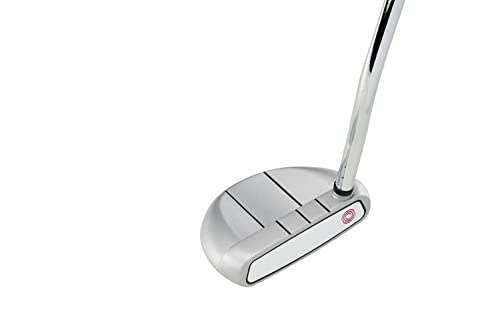
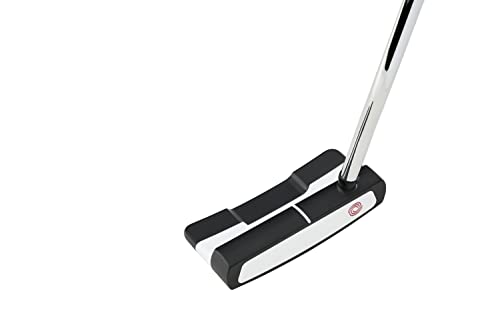
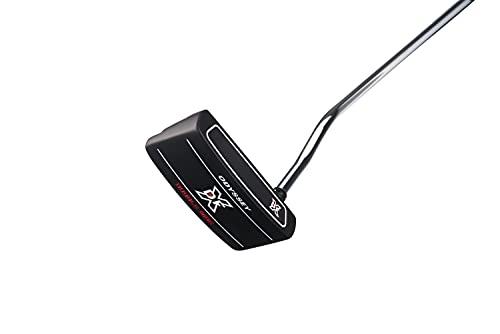
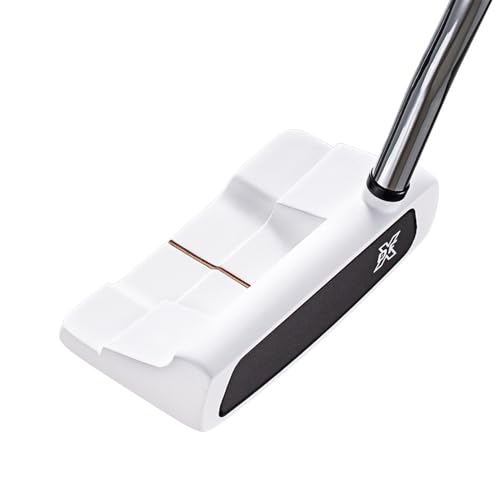
Did you know that putting accounts for around 40% of your total strokes in a round of golf? Choosing the right putter can make a significant difference in your scoring and overall enjoyment of the game. With so many options available in the market, it can be overwhelming to find the perfect putter that suits your style and preferences. In this ultimate guide, we'll walk you through the essential factors to consider when selecting a putter, including length, weight, balance, grip, and head design. We'll also discuss the benefits of different putter types, such as mallet and blade putters, and provide tips on how to properly align your putter for better accuracy. By the end of this article, you'll have the knowledge and confidence to choose the ideal putter that can help you sink more putts and lower your scores on the green.
What are the different types of putters available?
When it comes to choosing a putter, golfers have a wide variety of options to select from. The two main categories of putters are:
- Blade Putters
- Mallet Putters
Blade Putters
Blade putters feature a traditional, sleek design with a thin and flat clubhead. They are often preferred by players who have a straight-back-straight-through putting stroke. Some key characteristics of blade putters include:
- Smaller head size
- More responsive feel
- Easier to control distance
- Suitable for players with a more consistent stroke
| Advantage | Disadvantage |
|---|---|
| Better distance control | Less forgiving on off-center hits |
| More responsive feel | Requires a more consistent stroke |
Table 1: Advantages and disadvantages of blade putters
Mallet Putters
Mallet putters have a larger, more rounded clubhead with a higher MOI (Moment of Inertia). They are designed to be more forgiving and stable, making them a popular choice among golfers of all skill levels. Some key features of mallet putters are:
- Larger head size
- More forgiving on off-center hits
- Better alignment aids
- Suitable for players with an arc putting stroke
| Advantage | Disadvantage |
|---|---|
| More forgiving on mishits | Less responsive feel |
| Better alignment aids | Heavier weight may not suit all players |
Table 2: Advantages and disadvantages of mallet putters
In addition to blade and mallet putters, there are also various sub-categories, such as:
- Mid-mallet putters
- High-MOI putters
- Counter-balanced putters
- Adjustable putters
Ultimately, the type of putter you choose should depend on your personal preferences, putting stroke, and the level of forgiveness you need on the green.
How do I determine the right putter length for me?
Having the correct putter length is crucial for maintaining a comfortable and efficient putting posture. A putter that is too long or too short can lead to inconsistency and difficulty in controlling the ball. Here are some factors to consider when determining the right putter length for you:
- Height
- Putting Posture
- Arm Hang
Height
Your height plays a significant role in determining the appropriate putter length. As a general rule, taller players will require longer putters, while shorter players will need shorter putters. However, height alone should not be the sole determining factor.
Putting Posture
Your putting posture is another essential factor to consider. You should aim for a posture that allows your eyes to be directly over the ball or slightly inside, with your arms hanging comfortably from your shoulders. A proper putting posture will help you maintain balance and control throughout your stroke.
Arm Hang
To find the right putter length, follow these steps:
- Take your normal putting stance
- Let your arms hang naturally from your shoulders
- Have a friend measure the distance from the ground to your wrists
- Add or subtract inches based on your preference for a more upright or bent-over posture
| Putter Length | Player Height |
|---|---|
| 32-33 inches | 5'0" - 5'4" |
| 33-34 inches | 5'4" - 5'8" |
| 34-35 inches | 5'8" - 6'0" |
| 35+ inches | 6'0" and above |
Table 3: Recommended putter lengths based on player height
Keep in mind that these are general guidelines, and you may need to make adjustments based on your individual putting style and comfort level. It's always a good idea to get fitted by a professional or try out different putter lengths before making a purchase.
What is the importance of putter head weight and balance?
Putter head weight and balance are crucial factors that can greatly influence your putting performance. A putter with the right weight and balance can help you achieve a more consistent and accurate stroke, while an ill-fitted putter can lead to inconsistency and difficulty controlling the ball.
Putter Head Weight
The weight of the putter head affects the feel and control of the putter during the stroke. Heavier putter heads tend to provide a smoother, more stable stroke, while lighter heads may feel more responsive and easier to control distance.
- Heavier putter heads (350g+) are often preferred by players with faster greens or those who struggle with distance control
- Lighter putter heads (330g or less) are suitable for players who prefer a more responsive feel and have a good touch on the greens
Putter Balance
Putter balance refers to the distribution of weight in the putter head and how it affects the face angle during the stroke. There are two main types of putter balance:
- Face-balanced putters
- The face points upward when balanced on a finger
- Suitable for straight-back-straight-through strokes
- Toe-hang putters
- The toe of the putter points downward when balanced on a finger
- Suitable for strokes with a slight arc
| Balance Type | Stroke Style |
|---|---|
| Face-balanced | Straight-back-straight-through |
| Toe-hang (1/4, 1/2, 3/4, full) | Slight arc to strong arc |
Table 4: Putter balance types and suitable stroke styles
To determine the right putter head weight and balance for you, consider the following:
- Your putting stroke type (straight or arcing)
- The speed of the greens you typically play on
- Your personal preference for feel and responsiveness
Experimenting with different putter head weights and balance types can help you find the combination that works best for your putting style and helps you achieve more consistency on the greens.
Conclusion: Choosing the right putter is a critical aspect of improving your golf game. By considering factors such as putter type, length, head weight, and balance, you can select a putter that suits your individual needs and preferences. Remember to focus on finding a putter that promotes a comfortable posture, allows for consistent ball striking, and instills confidence in your putting stroke. Don't hesitate to try out different putters and get professionally fitted to ensure you have the best tool for your short game. With the right putter in hand, you'll be well on your way to sinking more putts and lowering your scores on the course.
How does the putter grip affect my putting performance?
The putter grip is an often overlooked aspect of putting, but it can significantly impact your performance on the greens. The right putter grip can help you maintain a consistent and comfortable grip pressure, leading to better control and accuracy. Here are some ways the putter grip can affect your putting:
-
Grip Pressure
- A grip that is too thin can cause you to grip the putter too tightly, leading to tension in your hands and arms
- A grip that is too thick can make it difficult to control the putter face, resulting in inconsistent strikes
-
Hand Placement
- The putter grip can influence how you place your hands on the club
- Some grips are designed to encourage a specific hand position, such as a left-hand low or claw grip
-
Feedback and Feel
- The material and texture of the putter grip can affect the feedback and feel you get from the putter
- Softer grips may provide a more comfortable feel, while firmer grips can offer more feedback on the quality of the strike
Popular Putter Grip Styles
| Grip Style | Description |
|---|---|
| Conventional | The most common grip, with the right hand below the left |
| Left-Hand Low | The left hand is positioned lower on the grip, promoting a more stable stroke |
| Claw Grip | The right hand grips the club in a "claw" position, reducing wrist movement |
| Split Grip | The hands are separated on the grip, often used to reduce grip pressure |
Table 5: Popular putter grip styles and their descriptions
When choosing a putter grip, consider the following factors:
- Size and thickness
- Material and texture
- Shape and contour
- Personal comfort and preference
Experimenting with different putter grips can help you find the one that promotes a comfortable, consistent, and confident stroke on the greens.
What are the benefits of using a mallet putter vs. a blade putter?
Mallet putters and blade putters each have their own unique benefits and are suited to different types of golfers and putting strokes. Understanding the advantages of each type can help you make an informed decision when choosing a putter.
Benefits of Mallet Putters
-
Forgiveness
- Larger head size and higher MOI (Moment of Inertia) make mallet putters more forgiving on off-center hits
- Mishits will still travel relatively straight and maintain distance control
-
Alignment Aid
- Mallet putters often feature prominent alignment lines or visual cues to help you aim more accurately
- The larger head size provides a clearer reference for aligning the putter face to the target
-
Stability
- The increased weight and size of mallet putters can help stabilize the stroke, particularly for golfers with shaky hands or inconsistent strokes
Benefits of Blade Putters
-
Feel and Feedback
- Blade putters typically offer more precise feedback on the quality of the strike due to their smaller head size
- This can be beneficial for skilled players who rely on feel to control distance and pace
-
Versatility
- Blade putters are often more suited to golfers with an arc putting stroke, as they tend to have more toe hang
- This allows the putter face to open and close more easily during the stroke
-
Aesthetics
- Many golfers prefer the classic, traditional look of a blade putter
- The sleek design can inspire confidence and comfort at address
| Putter Type | Forgiveness | Alignment Aid | Feel & Feedback | Stroke Type |
|---|---|---|---|---|
| Mallet | High | Prominent | Moderate | Straight |
| Blade | Moderate | Minimal | High | Arc |
Table 6: Comparison of mallet and blade putter characteristics
Ultimately, the choice between a mallet and blade putter comes down to personal preference, putting stroke type, and the specific performance benefits you prioritize on the greens.
How do I align my putter properly for better accuracy?
Proper putter alignment is crucial for consistently hitting your intended target on the greens. Even the slightest misalignment can cause you to miss putts, especially on longer attempts. Here are some tips to help you align your putter correctly:
-
Use Alignment Aids
- Many modern putters feature alignment lines, dots, or other visual cues on the top of the clubhead
- These aids can help you square the putter face to your target line and ensure a more accurate setup
-
Check Your Eye Position
- Your eyes should be directly over the ball or slightly inside the target line at address
- This position helps you better visualize the line and maintain proper alignment throughout the stroke
-
Practice with Alignment Tools
- Training aids such as mirrors, laser lines, or alignment sticks can provide valuable feedback on your setup and help you develop a consistent and accurate alignment routine
-
Focus on the Target Line
- When aligning your putter, focus on the target line rather than the hole itself
- Visualize a line extending from your ball to the hole and align the putter face perpendicular to this line
-
Use Your Putter's Features
- Some putters have unique features designed to improve alignment, such as:
- 2-Ball or 3-Ball designs that create a visual reference for the back of the ball
- Sightlines or flanges that frame the ball and make it easier to center the putter face
- Some putters have unique features designed to improve alignment, such as:
Remember, consistent and accurate alignment is a skill that requires practice. Incorporate alignment drills into your putting practice routine to build confidence and trust in your setup.
What are the key factors to consider when choosing a putter?
Choosing the right putter is a critical decision that can significantly impact your performance on the greens. With so many options available, it's essential to consider several key factors to ensure you select a putter that suits your individual needs and preferences. Here are the main factors to keep in mind:
-
Length
- Putter length should be based on your height, posture, and comfort level
- A properly fitted putter will allow you to maintain a comfortable, athletic stance with your eyes over the ball
-
Head Design
- Mallet putters offer forgiveness and alignment aids, while blade putters provide more feel and feedback
- Consider your putting stroke type (straight or arc) and visual preferences when choosing between a mallet and blade
-
Hosel Design
- The hosel design affects the putter's toe hang and face balance, which influences how the putter face rotates during the stroke
- Make sure to choose a hosel design that complements your putting stroke type
-
Face Material
- Putter faces can be made from various materials, such as stainless steel, carbon steel, or aluminum inserts
- Each material offers different feel, sound, and roll characteristics, so it's important to find one that instills confidence and suits your preferences
-
Grip
- The putter grip should be comfortable, promote a relaxed grip pressure, and accommodate your preferred hand position
- Consider the grip's size, shape, and material when making your choice
-
Weighting
- Putter head weight and balance can affect the feel and stability of the stroke
- Heavier putters may be more suitable for faster greens, while lighter putters can be easier to control on slower surfaces
-
Aesthetics
- While performance should be the primary concern, the putter's appearance can impact your confidence and comfort level
- Choose a putter that you find visually appealing and inspires a positive mindset on the greens
By carefully considering each of these factors and testing various putters, you can find the perfect fit for your individual putting style and preferences.
How does the putter face material impact ball roll and feel?
The putter face material is a crucial aspect of putter design that can significantly influence the ball's roll and the overall feel of the putter. Different materials offer unique characteristics that can affect your putting performance and preferences. Let's explore the impact of various putter face materials:
-
Stainless Steel
- Stainless steel is a popular choice for putter faces due to its durability and consistent performance
- It offers a firm, solid feel and produces a slightly louder sound at impact compared to softer materials
- Stainless steel faces generally provide a true roll and moderate feedback on the quality of the strike
-
Carbon Steel
- Carbon steel is known for its soft feel and responsive feedback
- Putters with carbon steel faces often produce a muted, buttery sound at impact
- The softer material can help reduce skidding and promote a quicker roll on the ball
-
Aluminum Inserts
- Aluminum inserts are lightweight and offer a soft, responsive feel
- They are often used in mallet putters to redistribute weight to the perimeter of the clubhead, increasing MOI and forgiveness
- Aluminum inserts can provide a smooth, consistent roll and a slightly quieter sound compared to steel faces
-
Copper Inserts
- Copper inserts are known for their soft, warm feel and distinctive sound at impact
- They offer excellent feedback on the quality of the strike and can help promote a pure roll on the ball
- Copper inserts are often preferred by golfers who prioritize feel and touch on the greens
-
Composite Inserts
- Composite inserts, such as Odyssey's White Hot or TaylorMade's Pure Roll, are engineered to enhance feel and promote a consistent roll
- These inserts are typically made from a combination of materials, such as urethane or elastomer, and feature intricate groove patterns
- Composite inserts can provide a soft, responsive feel and help reduce skidding for a more predictable roll
| Face Material | Feel | Sound | Roll |
|---|---|---|---|
| Stainless Steel | Firm | Moderate | True |
| Carbon Steel | Soft | Muted | Quick |
| Aluminum Insert | Soft | Quiet | Smooth |
| Copper Insert | Soft | Distinctive | Pure |
| Composite Insert | Soft | Varied | Consistent |
Ultimately, the choice of putter face material comes down to personal preference and the specific performance characteristics you prioritize. It's essential to try out different face materials to determine which one provides the feel, sound, and roll that best suits your putting style.
What are some popular putter brands and their unique features?
There are numerous putter brands on the market, each offering their own unique designs, technologies, and features. Here are some of the most popular putter brands and the characteristics that set them apart:
-
Scotty Cameron (Titleist)
- Known for their precision milled putters and customization options
- Offers a wide range of blade and mallet designs with various alignment aids and face balancing options
- Features innovative technologies such as vibration dampening chambers and adjustable weighting
-
Odyssey (Callaway)
- Pioneers of the popular White Hot face insert technology, known for its soft feel and consistent roll
- Offers a diverse lineup of mallet and blade putters with unique alignment aids, such as the 2-Ball and Triple Track designs
- Features innovative shaft designs, such as the Stroke Lab shaft with a redistributed weight for improved tempo and consistency
-
TaylorMade
- Known for their Spider series of high-MOI mallet putters, offering exceptional forgiveness and stability
- Features the Pure Roll face insert technology, which promotes a consistent roll and improved forward spin
- Offers adjustable sole weights to fine-tune head weight and balance to individual preferences
-
Ping
- Offers a wide range of blade and mallet putters with a focus on forgiveness and consistency
- Features the TR (True Roll) face technology, which utilizes variable depth grooves to promote consistent ball speed across the face
- Known for their patented adjustable-length shaft technology, allowing golfers to easily customize their putter length
-
Bettinardi
- Specializes in precision milled putters with a focus on feel and craftsmanship
- Offers a variety of blade and mallet designs with unique face milling patterns for enhanced feel and roll
- Features the F.I.T. (Feel Impact Technology) face, which promotes a softer feel and more consistent roll
-
Evnroll
- Known for their unique groove technology, which features variable width and depth grooves to promote consistent speed and direction across the face
- Offers a range of blade and mallet putters with high-performance materials and precision milling
- Features innovative alignment aids and adjustable weighting options for customization
These are just a few examples of the many putter brands available. Each brand brings its own unique technologies, designs, and features to the table, catering to the diverse needs and preferences of golfers worldwide.
How can I test different putters before making a purchase
Testing different putters is an essential step in finding the right one for your putting style and preferences. Here are some ways you can test putters before making a purchase:
-
Visit a Golf Store
- Many golf stores have putting greens or simulators where you can try out various putters
- Take advantage of the opportunity to test different brands, models, and configurations in a controlled environment
- Pay attention to the feel, sound, and performance of each putter, and don't hesitate to ask for assistance from the store's staff
-
Attend a Demo Day
- Many golf courses and driving ranges host demo days where major brands showcase their latest equipment, including putters
- These events provide a great opportunity to test a wide range of putters and receive expert advice from company representatives
-
Putter Fitting
- Consider getting a professional putter fitting to determine the optimal length, lie angle, head design, and grip for your putting stroke
- A certified club fitter can analyze your stroke and recommend putters that suit your specific needs and preferences
- Putter fittings are often available at golf stores, pro shops, or specialized club fitting centers
-
Rent or Borrow
- Some golf courses and pro shops offer putter rentals, allowing you to test different models on the course or practice green
- If you have friends or fellow golfers with different putters, ask if you can borrow them to get a feel for various designs and configurations
-
Putting Mat or Simulator
- Invest in a high-quality putting mat or an at-home putting simulator to test putters in the comfort of your own home
- These tools allow you to practice with different putters and assess their performance in a controlled setting
- Keep in mind that the feel and performance of a putter may vary between artificial and real grass surfaces
When testing putters, focus on the following aspects:
- Feel: How does the putter feel at impact? Is it soft, firm, or somewhere in between?
- Sound: Does the putter produce a pleasing sound at impact, or is it too loud or muted for your liking?
- Alignment: Do the putter's alignment aids help you aim more accurately and consistently?
- Distance Control: How well does the putter perform in terms of distance control on short, medium, and long putts?
- Consistency: Does the putter produce consistent results across different strike locations on the face?
By taking the time to test various putters and assess their performance based on these factors, you can make an informed decision and find the putter that best complements your putting stroke and instills confidence on the greens.
Choosing the right putter is a critical aspect of improving your golf game and lowering your scores. By understanding the various factors that influence putter performance, such as length, head design, face material, grip, and weighting, you can make an informed decision when selecting a putter that suits your individual needs and preferences.
To find the perfect putter, it's essential to test different models and configurations to assess their feel, sound, alignment, distance control, and consistency. Take advantage of opportunities to try out putters at golf stores, demo days, or through professional fittings to gain valuable insights into what works best for your putting stroke.
Remember, the right putter should inspire confidence, feel comfortable in your hands, and promote a smooth, consistent stroke on the greens. Don't hesitate to invest time and resources into finding the putter that best complements your game, as it can make a significant difference in your putting performance and overall enjoyment of the game.
By following the advice and information provided in this comprehensive guide, you'll be well-equipped to navigate the vast array of putter options available and find the perfect flatstick to help you sink more putts and shoot lower scores on the course. Happy putting!