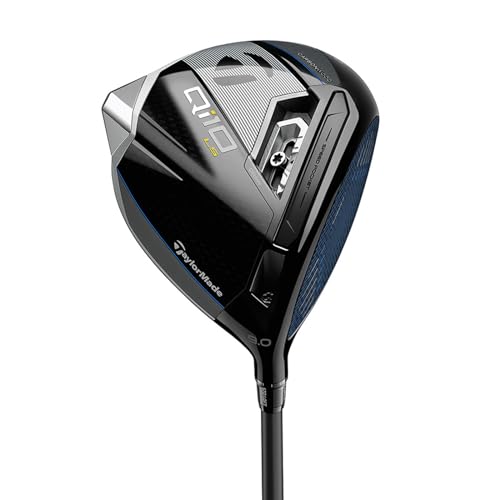
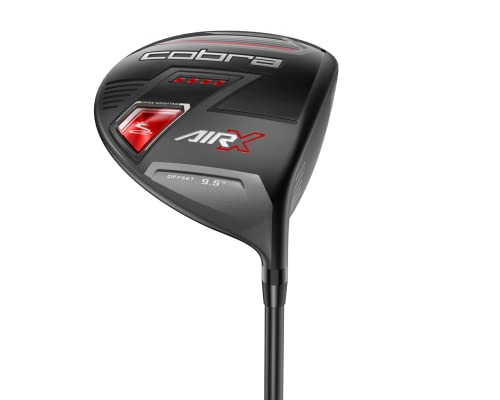
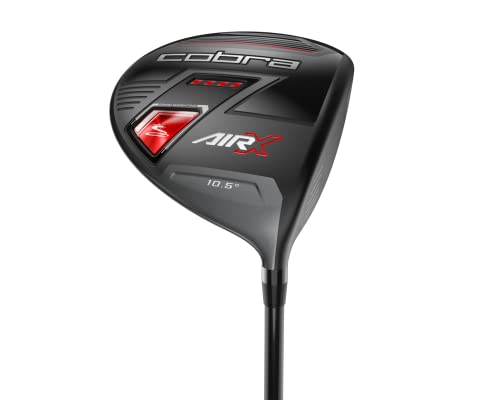
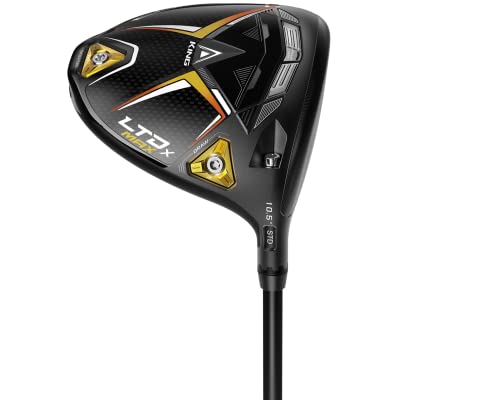
Are you new to the wonderful game of golf and feeling overwhelmed by all the club options out there? As an experienced golfer who has been playing for over 20 years, I know firsthand how daunting it can be to select your first set of clubs. Did you know that according to the National Golf Foundation, over 3 million people took up golf for the first time in 2020 alone? With so many beginners hitting the links, it's crucial to arm yourself with the right knowledge to choose clubs that will help you develop a love for the game. In this article, I'll share my top 7 tips for picking the perfect beginner golf clubs.
I. Introduction
Golf is a sport that can provide a lifetime of enjoyment, challenge, and camaraderie. But as a beginner, the vast array of golf club options can make your head spin faster than a tee shot slicing into the woods. Fear not! By understanding a few key principles, you'll be well on your way to assembling a set of clubs that will have you playing your best from day one.
II. Tip 1: Understand Your Skill Level
The first step in choosing beginner golf clubs is to honestly assess your current skill level. Are you a complete novice who has never swung a club before? Or have you played a few rounds and have a basic understanding of the game? Your skill level will dictate the type of clubs that are best suited for you.
As a beginner, you'll want to look for clubs that offer maximum forgiveness. This means clubs with larger clubheads, wider soles, and more weight distributed around the perimeter of the clubhead[1]. These design features will help minimize the negative effects of off-center hits and keep your shots straighter and more consistent.
Don't make the mistake of choosing clubs that are too advanced for your skill level. While it may be tempting to opt for the same clubs as your favorite pro, those clubs are designed for highly skilled players and will likely do more harm than good for your game. Be patient, focus on developing your fundamentals, and choose clubs that will help you improve.
III. Tip 2: Consider Clubhead Design
When it comes to irons, you'll generally have two main clubhead designs to choose from: cavity back and blade. Cavity back irons have a hollowed out back with the weight distributed around the perimeter, while blade irons have a solid back with the weight concentrated behind the sweet spot[2].
For beginners, cavity back irons are the clear choice. The perimeter weighting and larger sweet spot of cavity backs provide much more forgiveness on off-center hits compared to blades[2]. Cavity backs will help you get the ball airborne more easily and maintain more distance and accuracy on mishits.
As your skill level improves and you develop a more consistent swing, you may eventually want to transition to blade irons or a players cavity back design that offers a blend of forgiveness and workability. But as a beginner, stick with maximum game-improvement cavity backs and enjoy the confidence that comes with knowing your clubs have your back.
IV. Tip 3: Choose the Right Shaft Material and Flex
The shaft is the engine of the golf club, and choosing the right material and flex is crucial to optimizing your performance. The two most common shaft materials are steel and graphite. Steel shafts tend to be heavier, less expensive, and more durable, while graphite shafts are lighter, more expensive, and offer more flex options[3].
For beginners, especially those with slower swing speeds, graphite shafts are generally the better choice. The lighter weight of graphite can help you generate more clubhead speed and launch the ball higher and farther[3]. Graphite shafts also tend to reduce the amount of vibration felt in the hands on off-center hits.
When it comes to shaft flex, most beginners will do well with a regular flex shaft. If you have a very slow swing speed, a senior flex may be appropriate, while a stiff flex is best reserved for stronger, faster swingers[3]. When in doubt, err on the side of a softer flex - it's easier to generate clubhead speed with a whippier shaft than it is to control an overly stiff one.
V. Tip 4: Get Properly Fitted
One of the best investments you can make as a beginner golfer is to get properly fitted for your clubs. A professional club fitting will ensure that your clubs are the right length, lie angle, shaft flex, and grip size for your unique swing and body type.
While it may be tempting to buy off-the-rack clubs or hand-me-downs from a friend, ill-fitting clubs can lead to poor swing mechanics, inconsistent contact, and frustration on the course. A proper fitting will give you the best chance to develop a fundamentally sound swing and maximize your performance.
Look for a certified club fitter in your area who uses launch monitor technology to analyze your swing and make informed recommendations. The cost of a fitting is often deducted from the price of any clubs you purchase, making it a no-brainer for serious beginners[4].
VI. Tip 5: Consider Budget and Value
As a beginner, it's important to set a realistic budget for your first set of clubs. While high-end clubs can be tempting, there are plenty of high-quality options available at lower price points that will serve you well as you develop your game.
Look for clubs from reputable brands that offer good value for the price. Game-improvement irons from brands like Callaway, TaylorMade, Ping, and Cobra are a great place to start[5]. Don't be afraid to consider used clubs as well - many pro shops and online retailers offer high-quality pre-owned options at significant discounts.
Remember, the most expensive clubs won't automatically make you a better golfer. Focus on finding clubs that fit your swing, provide ample forgiveness, and inspire confidence when you stand over the ball. As your skill level improves, you can always upgrade to more advanced clubs down the line.
VII. Tip 6: Test Out Different Brands and Models
Once you have a general idea of the type of clubs you're looking for, it's time to start testing out different options. Most golf retailers and pro shops will allow you to demo clubs either on an indoor launch monitor or on their driving range.
Take advantage of these opportunities to get a feel for different clubhead designs, shaft options, and brand characteristics. Pay attention to how the club feels in your hands, how easy it is to launch the ball, and how forgiving it is on off-center hits.
Don't just rely on numbers like clubhead speed and distance - trust your instincts and choose clubs that give you the most confidence and feel the best to you. Every golfer is unique, so what works for your playing partner may not necessarily be the best choice for you[6].
VIII. Tip 7: Seek Advice from Professionals or Experienced Golfers
Finally, don't be afraid to seek out advice from those who have been around the game for a while. Golf professionals and experienced players can offer valuable insights and recommendations based on their own experiences and knowledge of the equipment landscape.
If you're taking lessons, ask your instructor for their thoughts on what clubs might be best suited for your swing and skill level. They may even have demo clubs you can try out during your lessons.
You can also reach out to friends or family members who are avid golfers and ask for their recommendations. They may have clubs they've enjoyed that could work well for you, or know of a great club fitter or retailer in your area.
At the end of the day, the most important thing is to choose clubs that you feel confident and comfortable with. Trust your instincts, seek out advice when needed, and don't be afraid to take your time in finding the right set of clubs for you.
IX. Conclusion
Choosing your first set of golf clubs can seem overwhelming, but by following these 7 tips, you'll be well on your way to making an informed decision. Remember to:
- Understand your skill level and choose clubs accordingly
- Opt for forgiving cavity back irons as a beginner
- Choose the right shaft material and flex for your swing
- Get properly fitted by a certified professional
- Consider your budget and look for value
- Test out different brands and models to find the best fit
- Seek advice from golf professionals and experienced players
By taking these factors into account, you'll be able to assemble a set of clubs that will help you fall in love with the game and improve your skills from the very first swing. Golf is a challenging but incredibly rewarding sport - with the right equipment in your hands, you'll be well on your way to a lifetime of enjoyment on the links.
Now get out there, tee it up, and have fun! The fairways and greens await.